Near railways in Kent
Cracks in a Home Backing Onto a Railway Line
Send details of the crack and where your home sits relative to the tracks. A specialist firm will review it without charging you, so you know whether the ground needs testing or the wall simply needs watching.
Why railway cuttings change the ground beneath a house
A cutting removes the weight of earth that once pressed down on the soil below. The remaining slope slowly adjusts, sometimes over decades. If your home sits at the top of that slope, the foundations rest on ground that is still finding its balance.
Embankments work in reverse. Thousands of tonnes of fill were tipped to raise the track above the surrounding fields. That load presses outward into the adjacent land. Houses built beside an embankment can experience lateral pressure on their footings, particularly after heavy rain softens the fill.
Tunnels present a different problem. Bored tunnels leave a ring of disturbed ground around them. Over time, water finds paths through that disturbed zone. If your home is directly above or slightly offset from a tunnel line, the soil may consolidate unevenly. Kent has several main lines that pass through chalk and clay, and each material responds differently to the void left behind.
Slope creep and seasonal movement near embankments
Slope creep is the slow downhill shift of soil under gravity. It happens constantly but accelerates when the ground saturates. A railway embankment acts as a dam, holding back surface water on one side. After prolonged rain, the retained water raises the pore pressure in the soil next to your garden.
Clay soils in Kent, such as Weald Clay and Gault Clay, swell when wet and shrink when dry. A house backing onto a cutting in these clays will move with the seasons. The question is whether that movement stays within the tolerance of the brickwork or exceeds it. A structural movement survey records the pattern over weeks and months, separating normal seasonal flex from progressive slip.
Crack monitoring uses small gauges fixed across a fracture. Readings taken over successive visits show whether the gap opens further each winter or holds steady. That record tells a specialist firm whether intervention is needed or whether the wall has already settled into a new position.
Drainage failures caused by passing trains
Railway drainage systems are extensive but not infallible. Culverts silt up. French drains collapse under the repeated load of freight traffic. When water cannot escape along the track bed, it seeks another route. Often that route is sideways, into the gardens and foundations of neighbouring homes.
A blocked railway drain can raise the local water table by a metre or more. Saturated ground loses strength. Footings designed for firm soil begin to sink into softened clay or sand. The effect is rarely uniform: one corner of the house drops while the rest stays put, and cracks follow the differential settlement.
A drainage CCTV survey traces the pipes beneath and around a home. The camera shows fractures, root intrusion and standing water. Where the defect belongs to the network operator, they hold responsibility for repair. Where it affects private drains, a specialist contractor handles the clearance or replacement.
Vibration damage versus ground movement
Freight trains and high-speed services generate ground-borne vibration. People living close to the line feel it in the floorboards. The question homeowners ask is whether that shaking causes structural harm.
Vibration alone rarely damages sound masonry. But if the mortar is already degraded, or the wall ties have corroded, repeated shaking can accelerate failure. Cracks caused by vibration tend to be fine, numerous and spread across large areas of plaster rather than concentrated at a single weak point.
Ground movement produces different patterns. A diagonal crack stepping through mortar joints suggests one part of the wall has dropped relative to another. Horizontal cracking at damp-course level points to outward pressure. Distinguishing between the two requires measurement. A specialist firm uses levels, plumb lines and crack gauges to build a picture before recommending any stabilisation work.
Stabilisation methods used near railway boundaries
Working near a live railway imposes constraints. Heavy plant cannot always reach the site. Excavation must not undermine the track bed. Network Rail sets strict limits on how close piling or digging can take place to their boundary fence.
Resin injection firms pump expanding polymer beneath foundations through small drilled holes. The equipment is light enough to carry through a side gate. The resin fills voids and compacts loose soil without generating the vibration of driven piles. It suits homes where access is narrow and the ground disturbance must stay minimal.
Screw piling offers another option where ground conditions demand deeper support. Steel helical piles are wound into the earth using hydraulic torque heads rather than impact hammers. The process is quiet and produces no spoil. Specialist piling contractors use it where the bearing stratum lies several metres down, beyond the zone affected by the railway cutting or embankment.
Underpinning remains the traditional approach for severe settlement. Concrete is poured in controlled bays beneath the existing footing. Near railways, engineers sequence the bays carefully to avoid sudden shifts in ground stress.
Establishing who pays for the investigation and repair
Proximity to a railway does not automatically make the network operator liable. Responsibility depends on cause. If a collapsed railway culvert flooded your garden and softened the ground beneath your home, the infrastructure owner typically bears the cost. If the movement stems from natural clay shrinkage during a dry summer, your buildings insurer handles the claim.
The first step is establishing facts. A specialist surveyor inspects the damage, reviews the geology and checks historical maps for old quarry pits or filled dene holes that might predate the railway. Their report forms the basis of any discussion with insurers or third parties.
Homeowners buying a house near a railway line should commission a movement report before exchange. It identifies past repairs, current risk and any monitoring already in place. Sellers benefit from having one ready, since mortgage lenders often query valuations where subsidence history exists.
What to look for when your home backs onto the tracks
Movement near a railway shows itself gradually. The signs depend on whether the ground is slipping toward a cutting, swelling against an embankment or settling above a tunnel. Watch for these changes around the walls closest to the line.
- 1
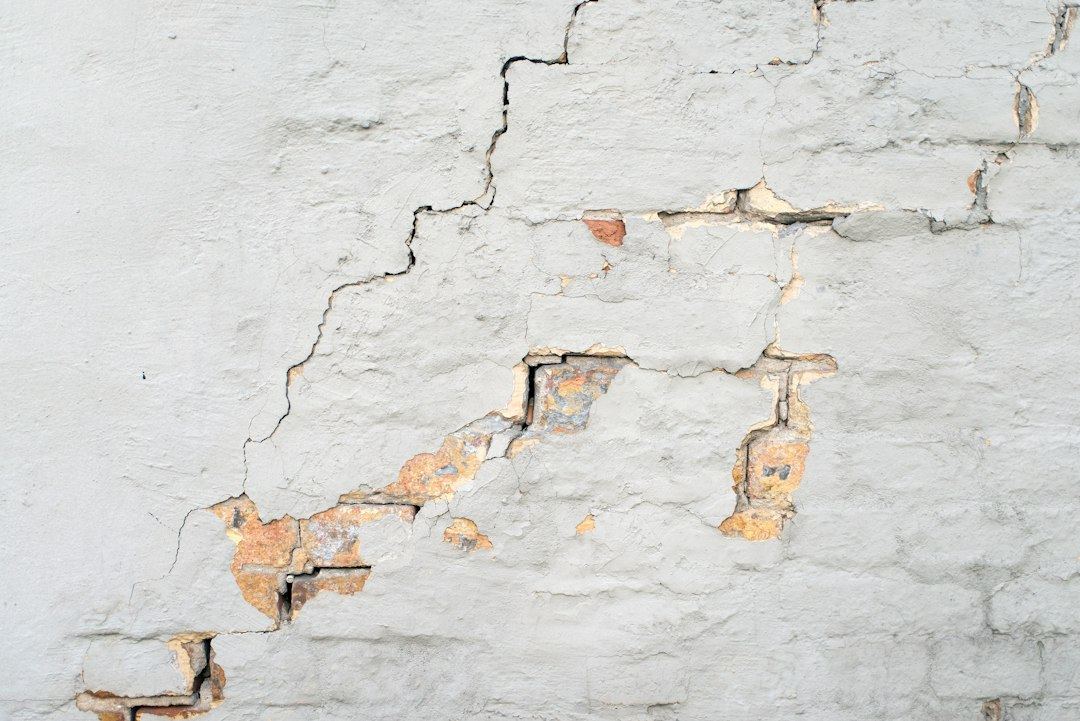
Diagonal cracks near the rear wall
Fissures running at an angle through brickwork or render on the side facing the railway often indicate one corner dropping faster than the rest.
- 2
Doors catching on frames
A door that previously swung freely now binds at the top or bottom edge. The frame has distorted because the wall around it has shifted.

- 3
Gaps opening at skirting boards
Where the floor drops away from the wall, a visible space appears behind the timber skirting. This suggests vertical movement beneath the room.
- 4
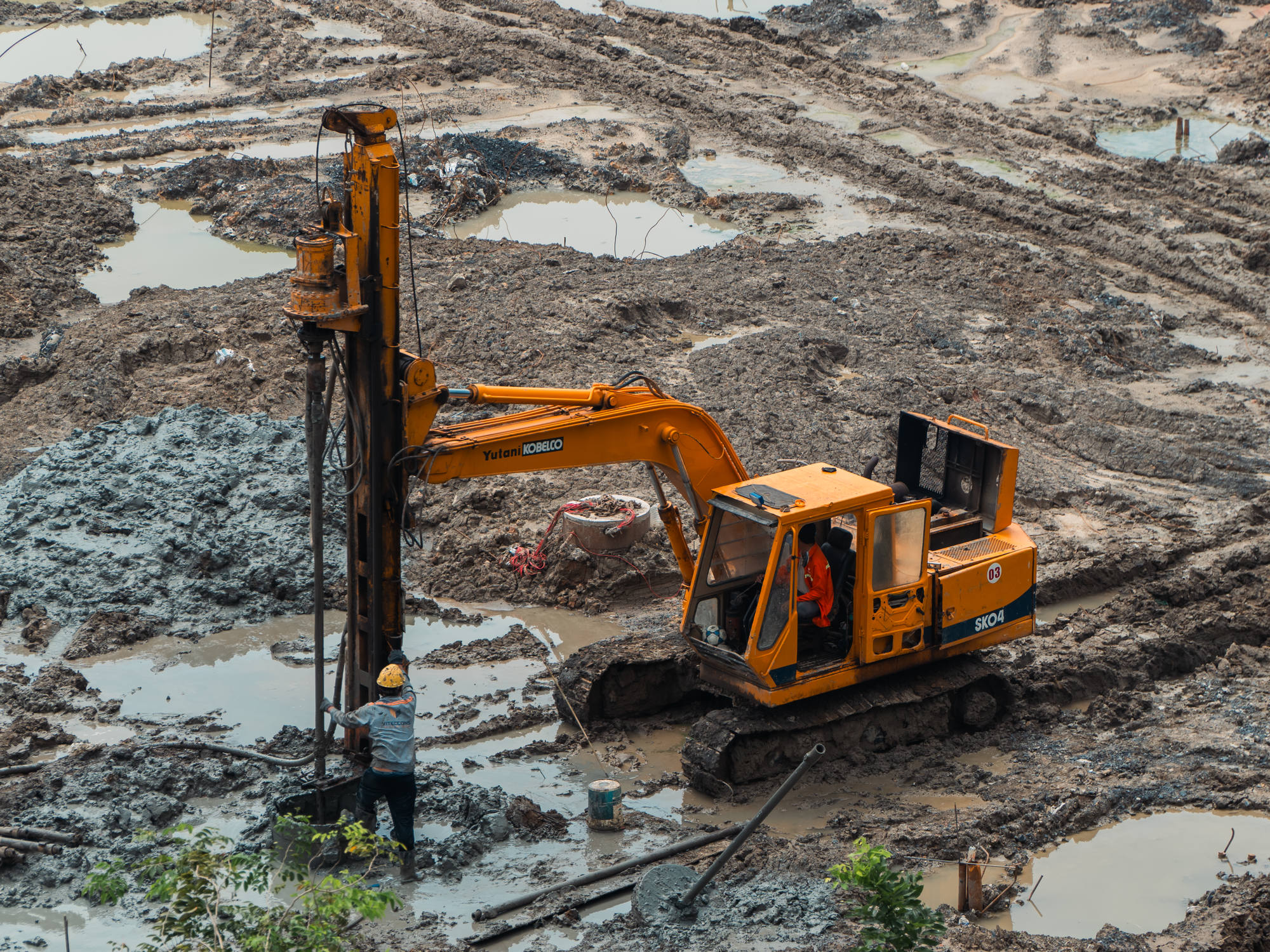
Puddles forming near the boundary
Water pooling against the fence line after rain may point to failed railway drainage redirecting flow into your garden and softening the subsoil.
- 5
Plaster cracking in straight lines
Fine cracks following the edge of a ceiling or running vertically down a partition can result from vibration loosening fixings over time.
Questions about homes near Kent railways
Homeowners often ask the same things when a crack appears and the tracks run past the garden fence.
- Will train vibration crack my walls?
- Vibration alone seldom damages sound masonry. It can worsen existing weakness in old mortar or corroded wall ties.
- Does the railway company pay for repairs?
- Only if their infrastructure caused the damage, such as a broken drain flooding your foundations. Otherwise your insurer handles it.
- How do I prove the railway is the cause?
- A specialist surveyor records levels, monitors cracks over time and correlates movement with rainfall or train timetables.
- Repairing foundations close to railway tracks
- Yes. Methods like resin injection and screw piling need minimal space and avoid heavy excavation near the boundary.
- Should I worry about a hairline crack?
- Hairline cracks are common. Monitor the width over a few months. If it grows beyond two millimetres, arrange a survey.
Tell us what you have noticed near the tracks
Send a description of the crack and how close your home sits to the railway. A specialist firm will read it and advise whether a site visit is warranted. There is no fee for this initial assessment and no obligation to proceed.
- No charge for the review
- No obligation to proceed
- Specialist firms do the work