
Thanet, Herne Bay, Swale
Brickearth and Sand Movement on the Kent Coast
Tell us where the crack is and how wide it has opened. A specialist firm will read the details and say whether your home needs a survey, at no cost to you.
Why brickearth behaves differently from clay
Much of the ground between Margate, Herne Bay and Sittingbourne is made of brickearth, a fine wind-blown silt laid down long before human settlement. It looks solid when dry and holds up houses for decades without complaint. But brickearth loses its strength quickly once water reaches it.
Clay shrinks in summer and swells in winter, producing a slow seasonal rhythm. Brickearth does something else entirely. When a drain leaks or heavy rain pools against foundations, the silt softens. The ground beneath the footing can collapse rather than compress, and the movement that follows tends to be sudden rather than gradual.
A house sitting on this soil may show nothing wrong for years, then drop at one corner after a single wet winter. That pattern catches people out because they expect cracking to happen slowly. On the north Kent coast, it often does not.
Sand washout along the coast
Sandy soils around Ramsgate, Deal and the Isle of Sheppey carry their own risk. Water moving through sand takes grains with it. Over time, a leaking pipe or poor surface drainage can hollow out the ground beneath a slab or strip foundation.
The void grows until the weight above it exceeds what the remaining sand can hold. Then the floor or wall drops into the space. This process is called piping, and it leaves damage that looks like subsidence but comes from material being carried away rather than compressed.
Coastal winds and salt also play a part. Mortar erodes faster near the sea, so older cavity walls lose their ties sooner. A wall that appears to be bowing outward might have sound foundations but failing metalwork inside the cavity. The two problems sometimes happen together, which makes guessing at the cause unreliable.
What a structural movement survey involves here
Because brickearth and sand fail in different ways from clay, a survey must look beyond the crack itself. A specialist structural engineer will examine the pattern of damage, check whether doors and windows still sit square, and measure how far walls lean or bulge.
They will also look for the source of water. On this stretch of coast, that often means checking gutters, downpipes and surface drains for blockages or breaks before any ground investigation starts. Stopping the water is always the first job.
If the movement is still active, the engineer may recommend crack monitoring over several months to see whether the house is settling or continuing to shift. Only once the rate and direction of movement are known can anyone say whether underpinning, resin injection or simple drainage repair is the right step.
Drainage faults as the usual trigger
Houses built on brickearth and sand depend heavily on keeping water away from the footings. Victorian and Edwardian drains were often laid in short clay pipes with mortar joints. Those joints crumble eventually, and tree roots find the gaps quickly.
A CCTV drainage survey lets a specialist firm run a camera through the pipework to find fractures, collapsed sections or joints that have pulled apart. On sandy ground, even a small leak can start washing soil away within weeks.
Repairing or replacing the faulty section often stops the movement entirely. The house may need cosmetic repairs to plaster and brickwork, but the structure stabilises once the ground dries out again. Underpinning becomes necessary only when the soil has lost too much volume to recover on its own.
Stabilising methods suited to loose coastal ground
Traditional mass concrete underpinning works by digging beneath the existing footing and pouring new concrete in stages. On sand or soft brickearth, those excavations can destabilise the surrounding soil if done carelessly. Specialist contractors use specific sequences to keep the rest of the foundation supported while each section cures.
Resin injection offers an alternative where access is tight or the void is shallow. A specialist pumps expanding resin into the ground beneath the slab or footing. The resin fills empty spaces and compacts loose sand, lifting the floor slightly back toward level.
Screw piling suits situations where stable ground lies deeper. Steel piles are driven past the weak layer into firmer strata below. Because they screw in rather than being hammered, they produce less vibration, which matters when neighbouring houses share the same fragile soil.
Signs your home is moving on sand or silt
Brickearth collapses when wetted and sand washes out through broken drains. Both leave damage that arrives faster than clay shrinkage and often concentrates at one corner or wall.
- 1
Diagonal cracks near corners
A crack running from a window or door corner downward often means that section of footing has dropped faster than the rest of the wall.
- 2
Floors sloping to one side
A ball rolling across the room or furniture leaning suggests the ground beneath the slab has softened or washed away unevenly.

- 3
Gaps under skirting boards
When the floor drops but the wall stays put, a gap opens along the bottom edge of the skirting, usually widest at one end.

- 4
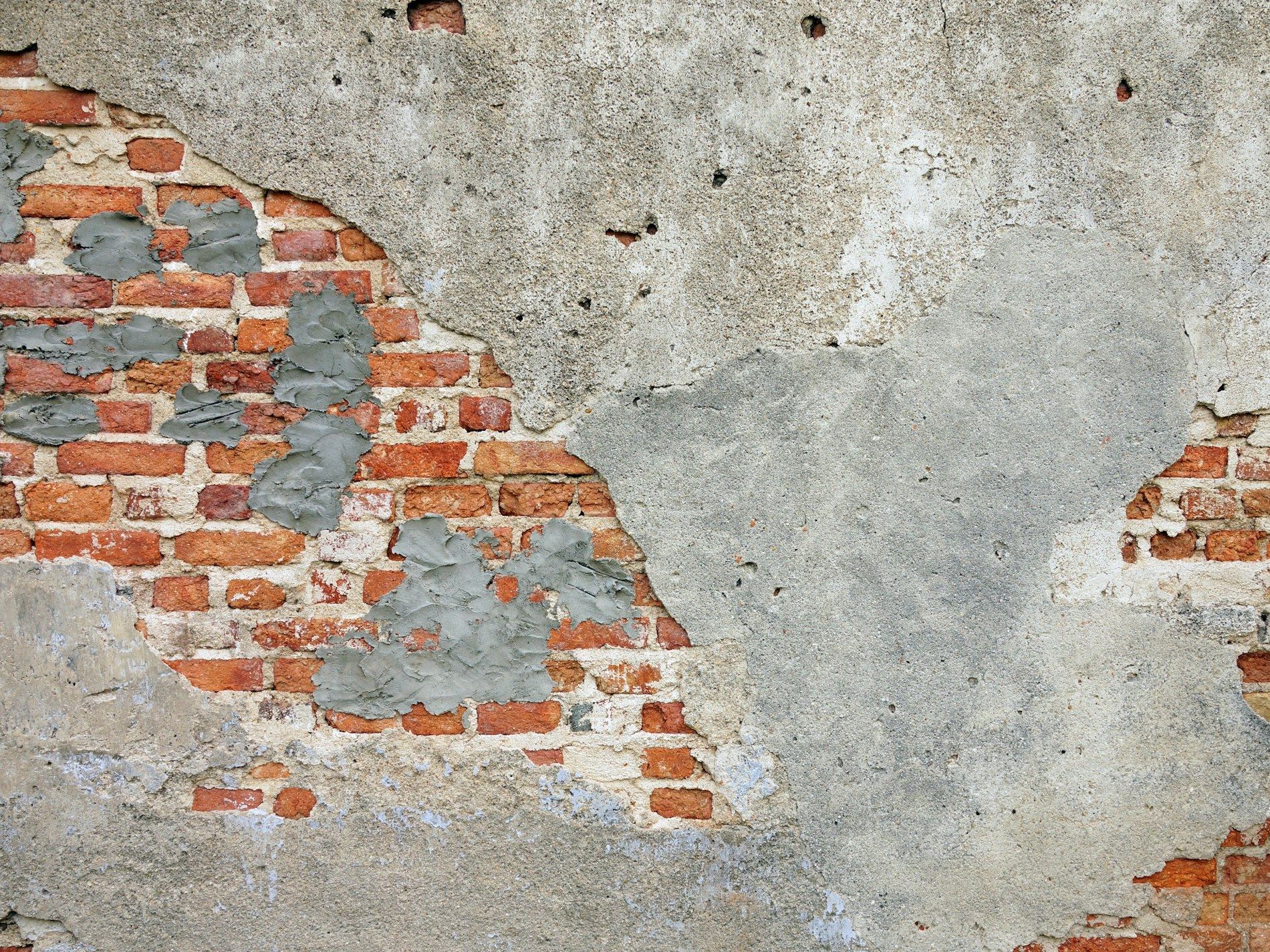
External brickwork stepping
Cracks following mortar joints in a staircase pattern indicate differential movement, common where sand has been carried away by leaking drains.
- 5
Doors catching on frames
A door that suddenly sticks at the top or side points to the frame distorting because the wall around it has shifted.
Questions about brickearth and sand movement
Answers to things homeowners along the Thanet and Swale coast ask most often.
- Is brickearth subsidence covered?
- Most buildings insurance policies cover subsidence, including ground loss from brickearth collapse. Insurers usually require a structural report before accepting a claim.
- How fast does sand washout happen?
- It depends on the leak size and soil type. A badly broken drain on loose sand can create a void large enough to cause movement within a single winter.
- Will fixing the drain be enough?
- Often yes. Once the water source stops, the ground can stabilise. A specialist will confirm whether the house has settled or is still moving.
- Does resin work on sandy soil?
- It can, if the sand is contained. Resin expands and compacts loose grains, but it needs enough surrounding soil to push against to be effective.
- Should I wait to see if it worsens?
- Small hairline cracks can be monitored. Anything wider than a few millimetres on brickearth or sand warrants a survey sooner rather than later.
Ask a specialist to look at your home
Send a description of what you have noticed. A specialist firm will review it and tell you whether a site visit is needed. There is no fee for the initial enquiry and no obligation to proceed.
- No fee to enquire
- No obligation to proceed
- Specialist firms do the work