
Underpinning in Kent
How a specialist chooses an underpinning method
Find out what each underpinning method involves before anyone quotes for work on your home. Send details of the cracks you have noticed and receive advice without any obligation to proceed.
Ways ground movement is stabilised
Different ground conditions demand different approaches. A specialist selects the right one after examining the soil beneath the foundations, not before.
-

Subsidence help
A subsidence specialist examines the pattern of cracking, checks drainage and soil type, then recommends the appropriate repair method for the home.
-

Resin injection
A resin injection firm pumps expanding material into weak or washed-out ground beneath shallow foundations to fill voids and compact loose soil.
-

Concrete cracking
A concrete repair contractor assesses cracked slabs, floors and drives to determine whether the damage stems from settlement, heave or surface wear.
-

Screw piling
A screw piling firm drives steel piles deep into stable ground to support bay windows, porches and extensions where traditional foundations fail.
Signs your home might need underpinning
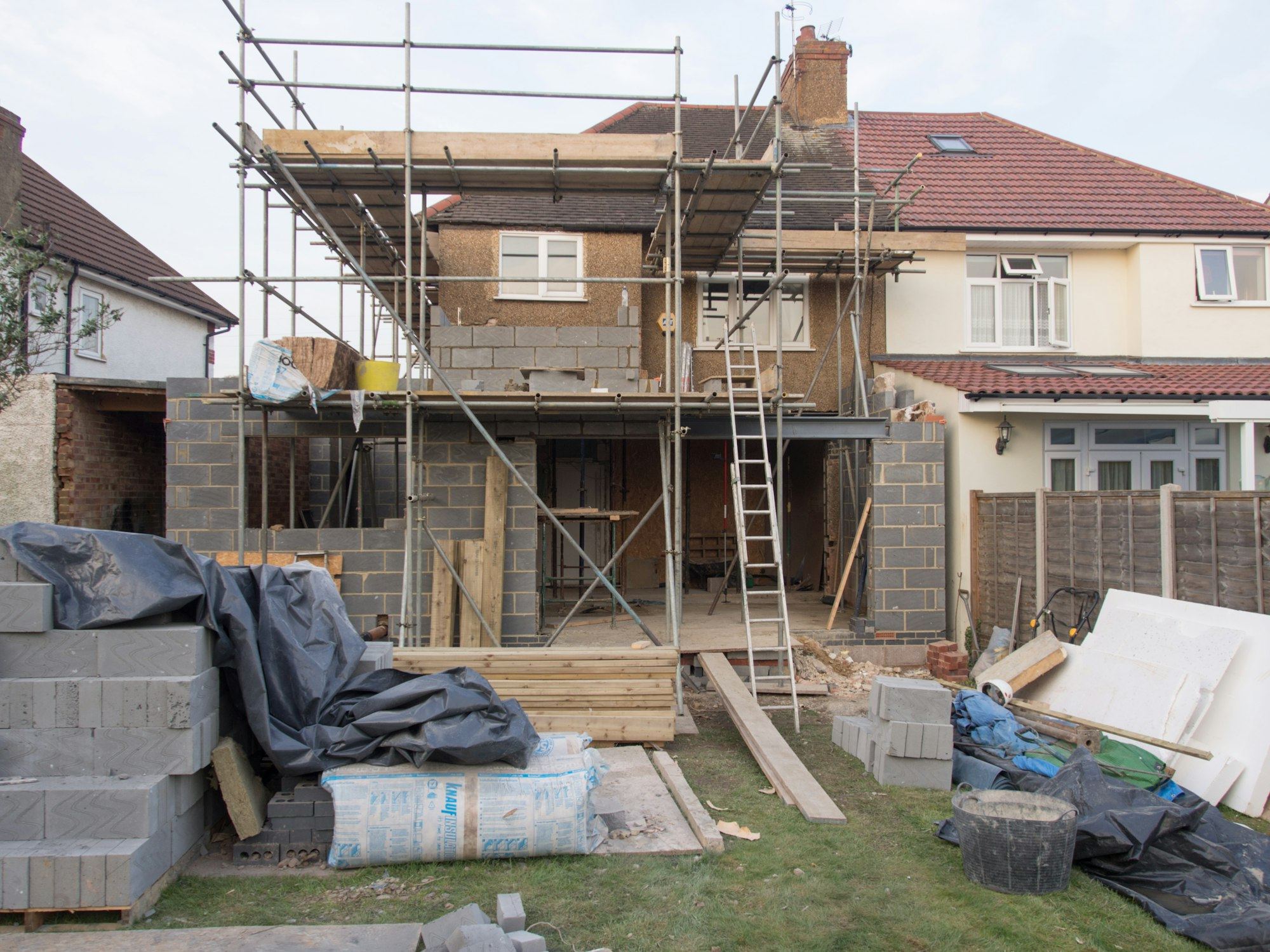
Underpinning becomes necessary when the soil beneath a foundation can no longer carry the weight above it. The building moves, and that movement shows itself as distortion in walls, floors and frames.
- 1
Diagonal cracks near corners
Cracks running at an angle from window or door corners often point to differential settlement. They tend to be wider at one end than the other.

- 2
Doors sticking in their frames
A door that catches or will not latch may mean the frame has twisted because the wall around it has shifted on its foundation.
- 3
Gaps between skirting and floor
When a floor drops away from the wall, a gap opens along the skirting board. This usually means the ground beneath has compressed or moved.

- 4
Rippling wallpaper without damp
If wallpaper creases or tears without any sign of moisture, the wall behind it is likely flexing as the foundation settles unevenly.
How the right method is chosen
01
Trial pits and boreholes
A geotechnical firm digs trial pits or drills boreholes to examine the soil layers directly beneath the affected part of the home.
02
Reviewing the findings
The structural engineer reads the soil report alongside the crack pattern to calculate how deep stable ground lies and what load it must bear.
03
Selecting mass concrete
Where firm ground sits just below the existing footing, a specialist excavates in short bays and fills them with concrete to deepen the foundation.
04
Choosing beam and base
If loads need spreading across a wider area, a contractor constructs a reinforced concrete beam beneath the wall, supported by new concrete bases.
05
Specifying piled foundations
When stable soil lies far below, a piling firm drives or screws steel piles down to a competent stratum and caps them to support the wall.
What happens after you send an enquiry
Details go to a local firm experienced in the specific ground conditions of your part of Kent. They review the information and arrange a visit if the problem warrants closer inspection.
-
Once a specialist firm receives the enquiry
Your description of the cracks and the address of your home are passed to a relevant specialist operating in your area of Kent.
-
Usually within two days
The specialist reviews the details. They may telephone to ask about drainage, nearby trees or when the movement was first noticed.
-
Arranged directly with you
If a site visit is needed, the firm proposes dates. You deal with them from that point onward regarding surveys and any subsequent work.
Questions about underpinning methods
Will my garden be dug up during underpinning?
Mass concrete and beam and base methods require excavation along the affected wall. A specialist will need access through the garden, so flowerbeds, paving or turf near the house may be disturbed temporarily.
Can I stay in my home while the work happens?
Usually yes. Underpinning proceeds in short sections to keep the building stable throughout. The noise and dust are significant, but most people remain living upstairs or in unaffected rooms.
Why not just use resin instead of digging?
Resin suits shallow voids and loose granular soils. It cannot replace missing bearing capacity in deep clay or reach past old mine workings. The soil investigation dictates which approach works.
Does underpinning fix cracks immediately?
No. The work stops further movement. Existing cracks still need raking out and filling once the building has settled on its new support, which takes several months.
How does a specialist know how deep to go?
Borehole logs show where competent soil begins. The engineer calculates the depth required to transfer the building load safely to that layer without overstressing it.
Describe the movement you have noticed
Write down where the cracks are, how wide they open and when you first saw them. This information goes to a specialist who handles ground movement in your part of Kent. Nothing commits you to buying work.
- No obligation to proceed
- Free to read and consider
- Local firms only