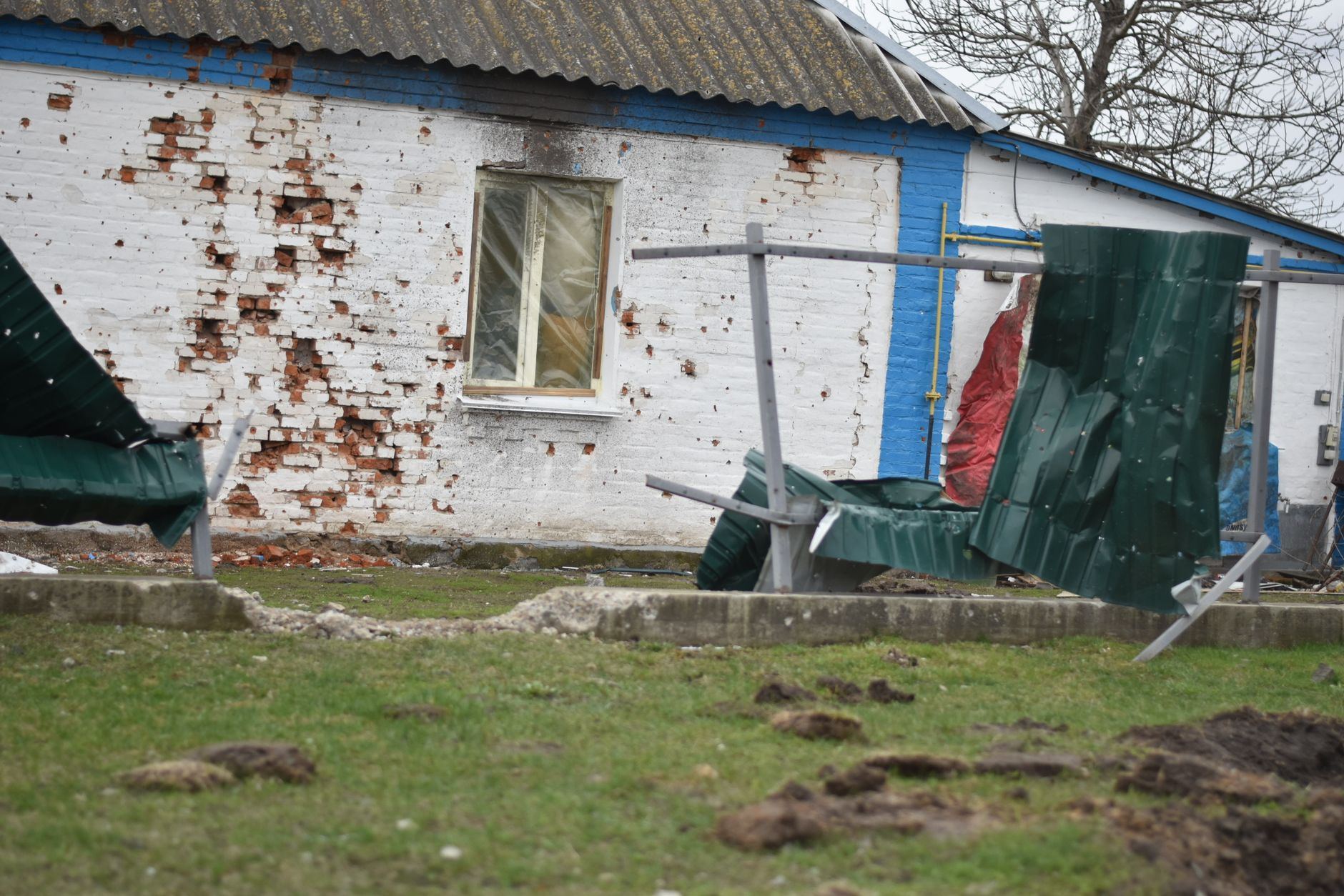
East Kent and Sheppey
Slope Movement Near the Chalk Cliffs of East Kent
If your home sits near a coastal slope in east Kent or on Sheppey, describe what you have noticed. An enquiry costs nothing and helps you find out whether the ground beneath your home is moving.
Why coastal slopes move differently from clay shrinkage
Subsidence inland usually happens because clay dries out under a house. Coastal slope movement works differently. The chalk cliffs and clay undercliffs of east Kent and the Isle of Sheppey rest on layers that slip when heavy rain saturates them or when the sea eats away at the base.
Homes built on or near these slopes sit on ground that can creep downhill over years, or shift suddenly after a storm. The forces involved are lateral rather than vertical, so the damage they cause looks different from ordinary subsidence. Walls twist, floors tilt toward the slope, and cracks open wider at one end than the other.
This mechanism affects specific parts of the county. The cliffs between Folkestone and Dover, the undercliff near Ramsgate, and the northern shore of Sheppey all have recorded histories of landslip. If your home is in one of these areas, the ground conditions matter more than the age of the building.
The geology beneath the cliffs and undercliffs
The white chalk visible in the cliffs is hard but fractured. Water runs through those fractures and reaches the softer layers below, particularly Gault Clay and the sandy beds of the Thanet Formation. When these lower layers become saturated, they lose friction and act like a slide surface.
Brickearth, a wind-blown deposit found across many coastal terraces in Kent, adds another complication. It holds water near the surface and can wash out if drainage fails or if a pipe leaks. A leaking drain on a slope does not just waste water; it lubricates the very plane along which the ground might move.
Sheppey presents its own version of this problem. The London Clay there is thick and prone to rotational slips, where a curved slice of hillside drops and tilles backward. Houses on the edge of these slips experience movement that no amount of shallow foundation repair can arrest without addressing the slope itself.
What slope movement does to a house
A house on stable ground moves as one block. A house on a creeping slope gets pulled apart. The side nearest the drop stretches while the uphill side compresses. You will often see diagonal cracking running from the top corner of a window down toward the floor, wider at the top.
Doors begin to bind against their frames, but not evenly. A door on the downhill side of the house jams at the top, while one on the uphill side catches at the bottom. Floors develop a noticeable fall that a marble will demonstrate quickly.
Outside, the signs multiply. Retaining walls lean outward. Paths separate from the house. Fences rack into parallelograms. Drainage gullies crack and leak, feeding more water into the ground that is already unstable. Each symptom feeds the next, which is why early observation matters so much on coastal sites.
How a specialist investigates a coastal property
Investigating slope movement requires different tools from a standard subsidence survey. A structural engineer or geotechnical specialist will look at the gradient, the soil profile, and the history of the cliff face. They may install inclinometers, which are tubes sunk into the ground to measure how deep the slip surface sits.
Crack monitoring tells the story over time. Small glass or plastic gauges fixed across a crack record whether it opens further during wet months and closes slightly in dry ones. On a slope, the pattern rarely reverses fully. The movement tends to be progressive, ratcheting downhill with each wet season.
Drainage surveys using CCTV cameras check for broken pipes that could be adding water to the slip plane. Since a single fractured clay drain can destabilise a slope over several winters, finding and fixing leaks is often the first step before any ground stabilisation begins.
Stabilising ground on or near a slope
Repairing a home affected by slope movement means dealing with the ground first. Underpinning a house on a slipping cliff without addressing the wider instability simply transfers the stress to a deeper point, which may also fail.
Specialist firms use several methods depending on the depth and speed of the movement. Screw piling drives steel helical piles deep into stable strata below the slip surface, anchoring the foundations to ground that is not moving. This works well where access is tight, since the equipment is compact.
Resin injection can firm up shallow soils behind retaining walls or beneath paths, but it cannot stop a deep rotational slip. Drainage improvements, such as new French drains or repaired sewers, remove the water that triggers movement. The right combination depends entirely on what the site investigation reveals, and only a specialist who has examined the ground can determine that sequence.
Signs the ground beneath your home is shifting
Coastal slope movement pulls a house sideways and downhill. The distortion shows up in walls, floors and external features long before the structure feels unsafe.
- 1
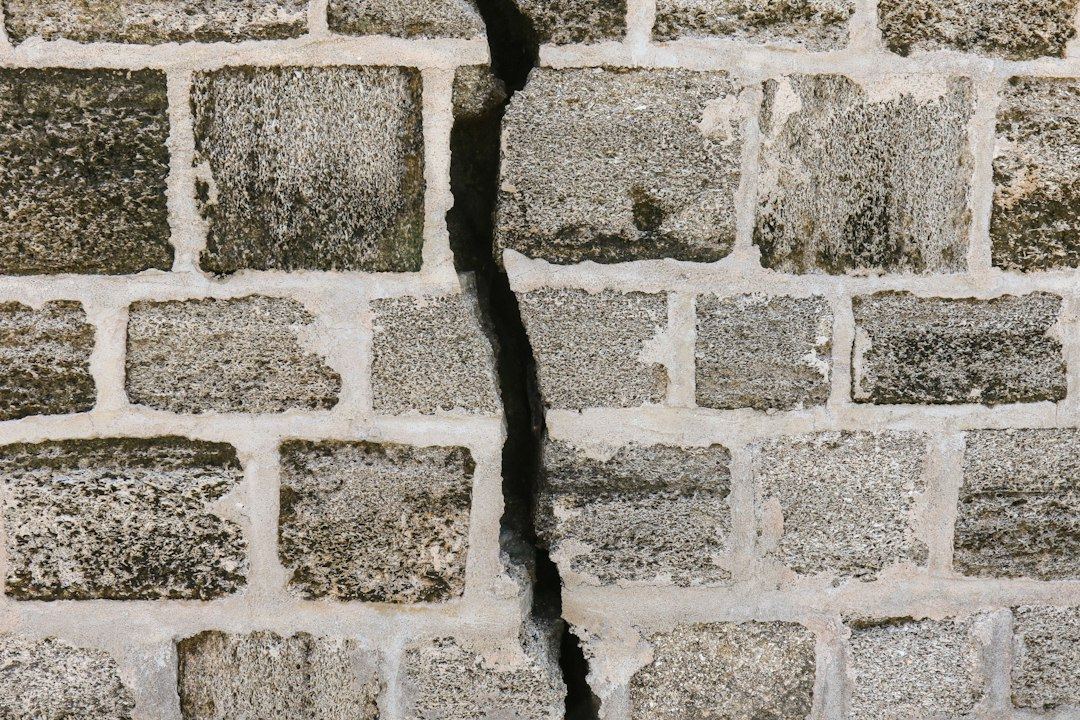
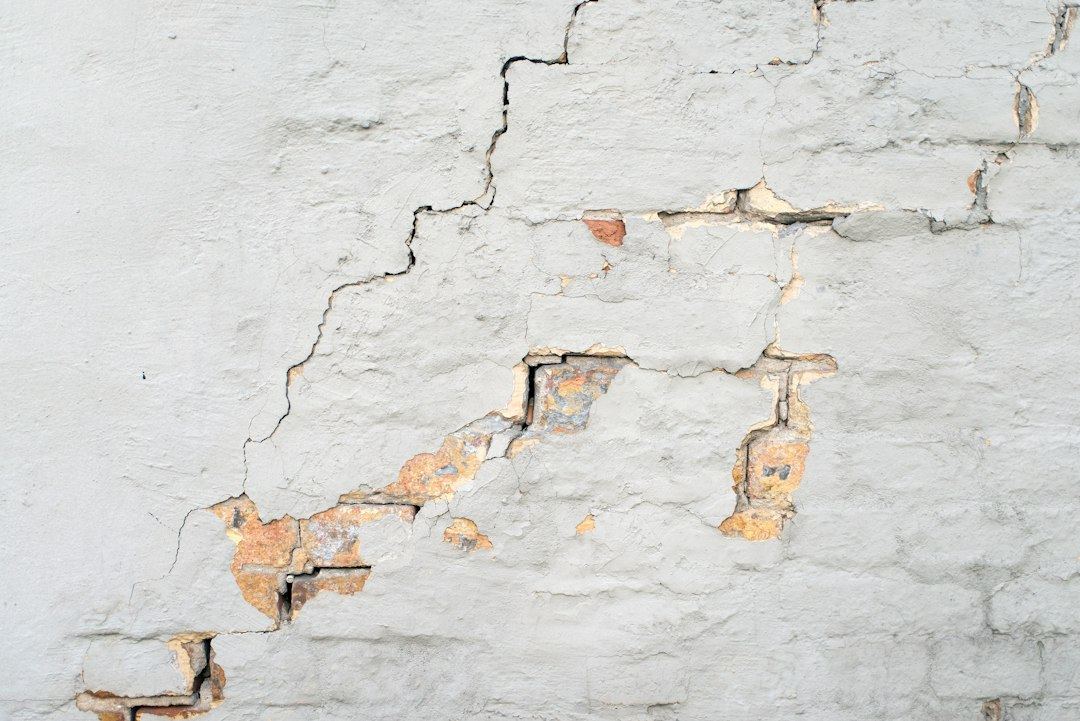
Diagonal cracks wider at one end
Tapering cracks running from a window corner toward the floor suggest the wall is being stretched by ground pulling away downhill.
- 2
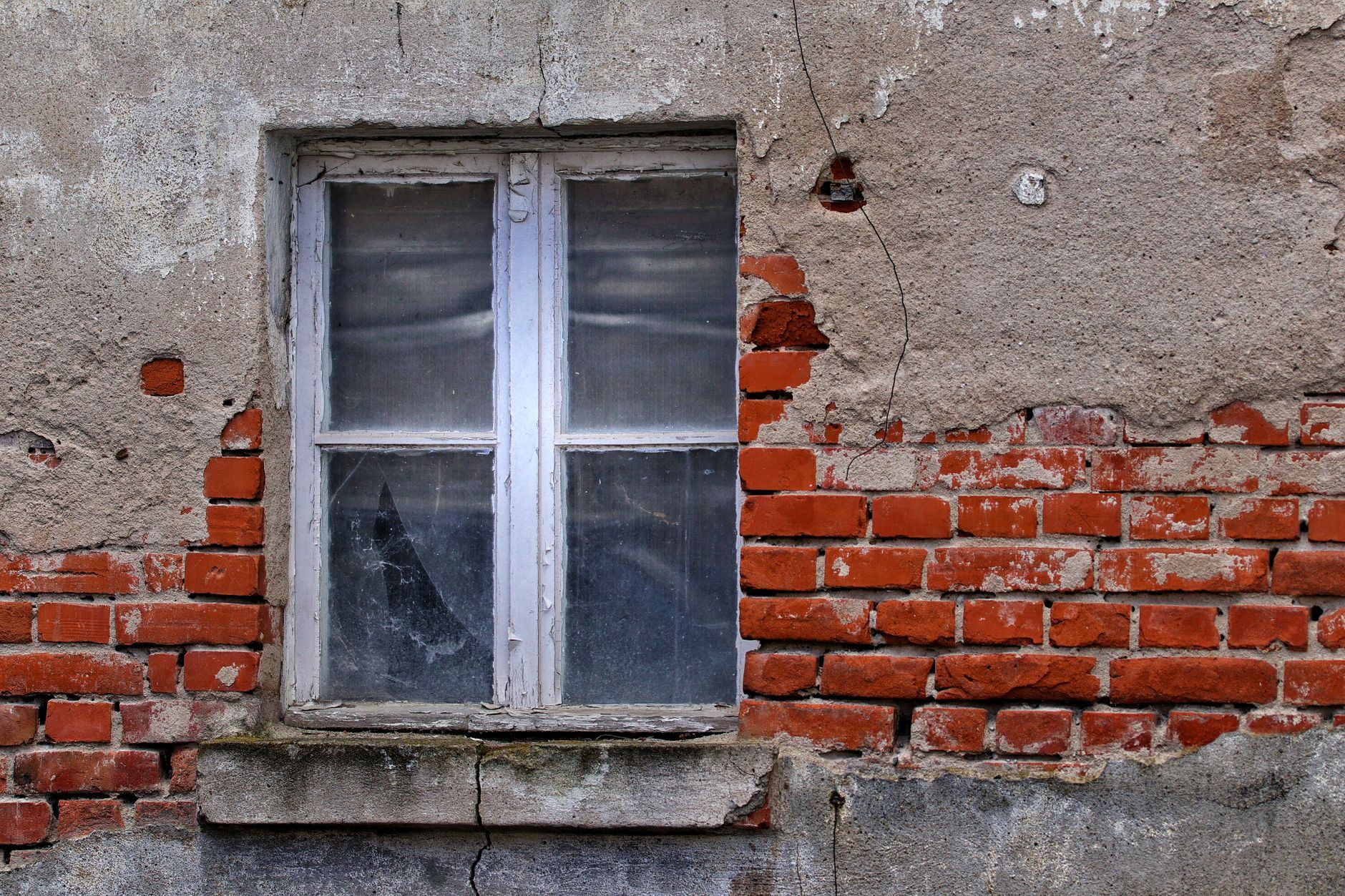
Doors jamming unevenly
A door catching at the top on one side of the house and at the bottom on the other points to a twisting frame.
- 3
Floors sloping noticeably
A ball rolling consistently toward one wall indicates the floor slab or joists have tilted with the ground beneath them.
- 4
Retaining walls leaning outward
A garden wall or terrace edge bowing away from the soil it holds back suggests the retained earth is pushing harder than before.
- 5
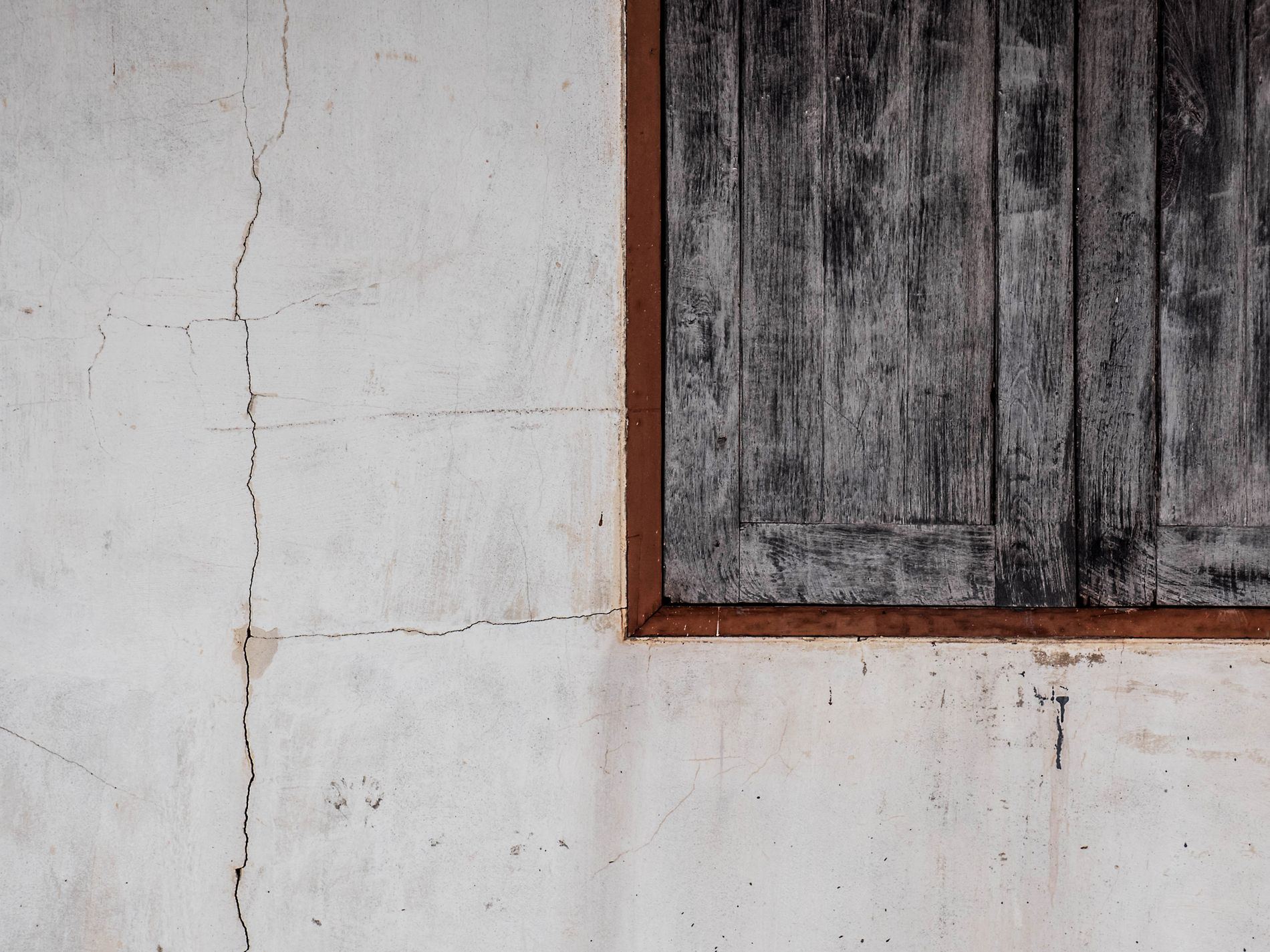
Paths separating from the house
A gap opening between paving and the exterior wall can mean the surrounding ground is drifting downslope.
Working out how soon to ask for help
Recognising the pattern matters less than noticing the pace. Only a site inspection determines what is actually happening beneath your home, but the speed of change tells you how quickly to act.
-
A crack opened quickly after heavy rain and the floor feels differentToday
Rapid change following saturation suggests active movement on the slip surface beneath or near your home.
What to do Describe the timing and the weather when you send your enquiry.
-
Doors have started sticking over the last few monthsSoon
Progressive binding across several frames often reflects slow but ongoing lateral drift.
What to do Note which doors stick and in which direction they jam.
-
A hairline crack appeared above a window facing the slopeWorth watching
Fine cracks can result from normal seasonal movement, but position matters near a cliff edge.
What to do Mark the ends with a pencil and date it, then check monthly.
-
The garden path has dropped a centimetre away from the wallSoon
External hard landscaping moving independently of the house hints at shallow surface creep.
What to do Measure the gap and photograph it alongside a ruler.
None of this diagnoses your home. If anything changes suddenly or worsens fast, ask about it now rather than waiting for the next season.
Tell us what you have noticed
Send a description of the signs you see at home. There is no charge for an enquiry, and it does not commit you to any work or survey.
- No obligation
- No fee to enquire
- Plain advice first