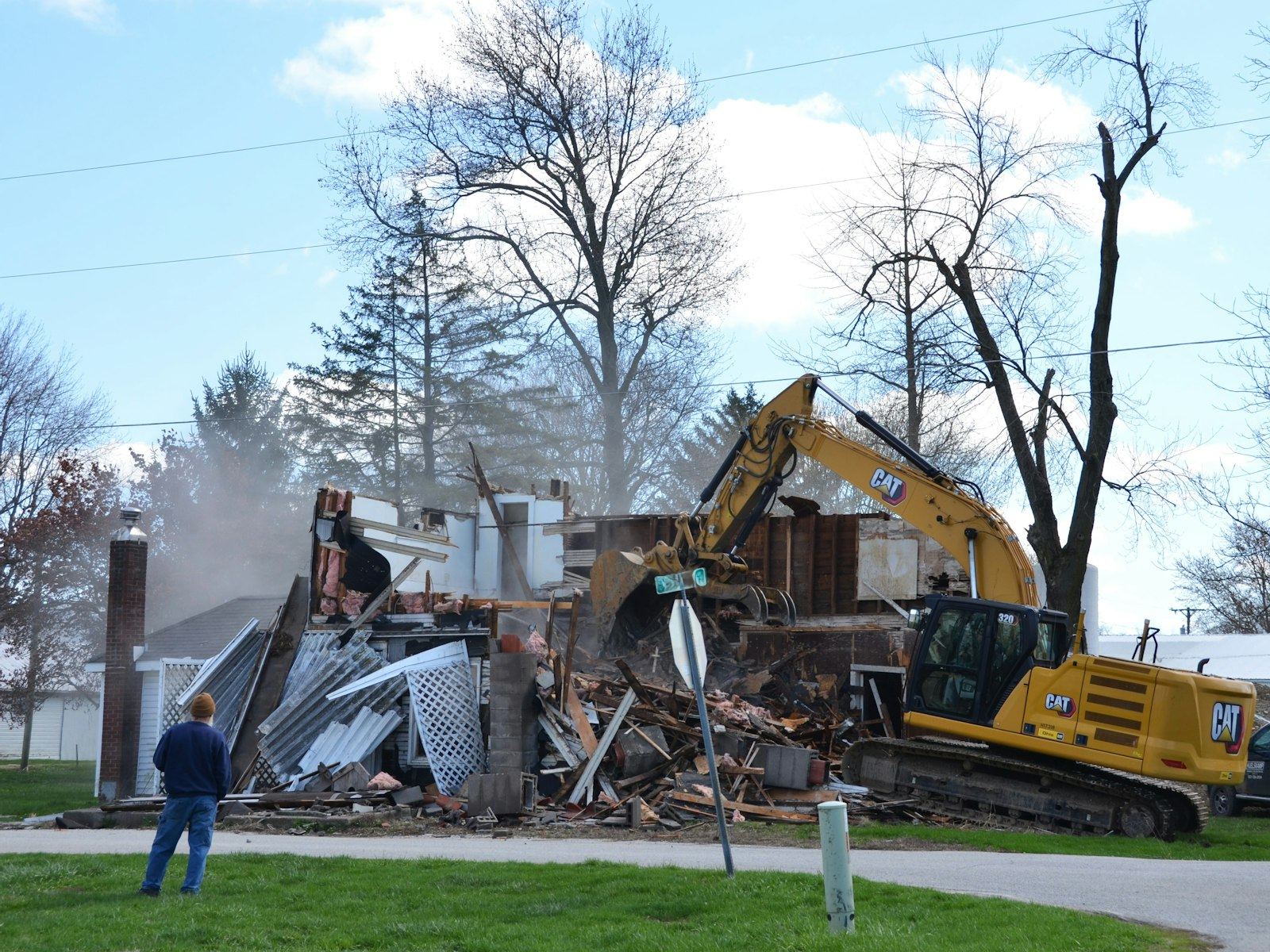
Cavity wall ties
Horizontal cracks and bulging walls in Kent homes
Send a short description of the cracking you have noticed. A specialist will read it and tell you whether the pattern points to corroded wall ties or ground movement, without any charge or obligation.
Work for cavity-walled houses with tie damage
Corroded ties cause specific patterns of distress that look different from subsidence. The firms handling this work use methods suited to exposed coastal housing across Kent.
-
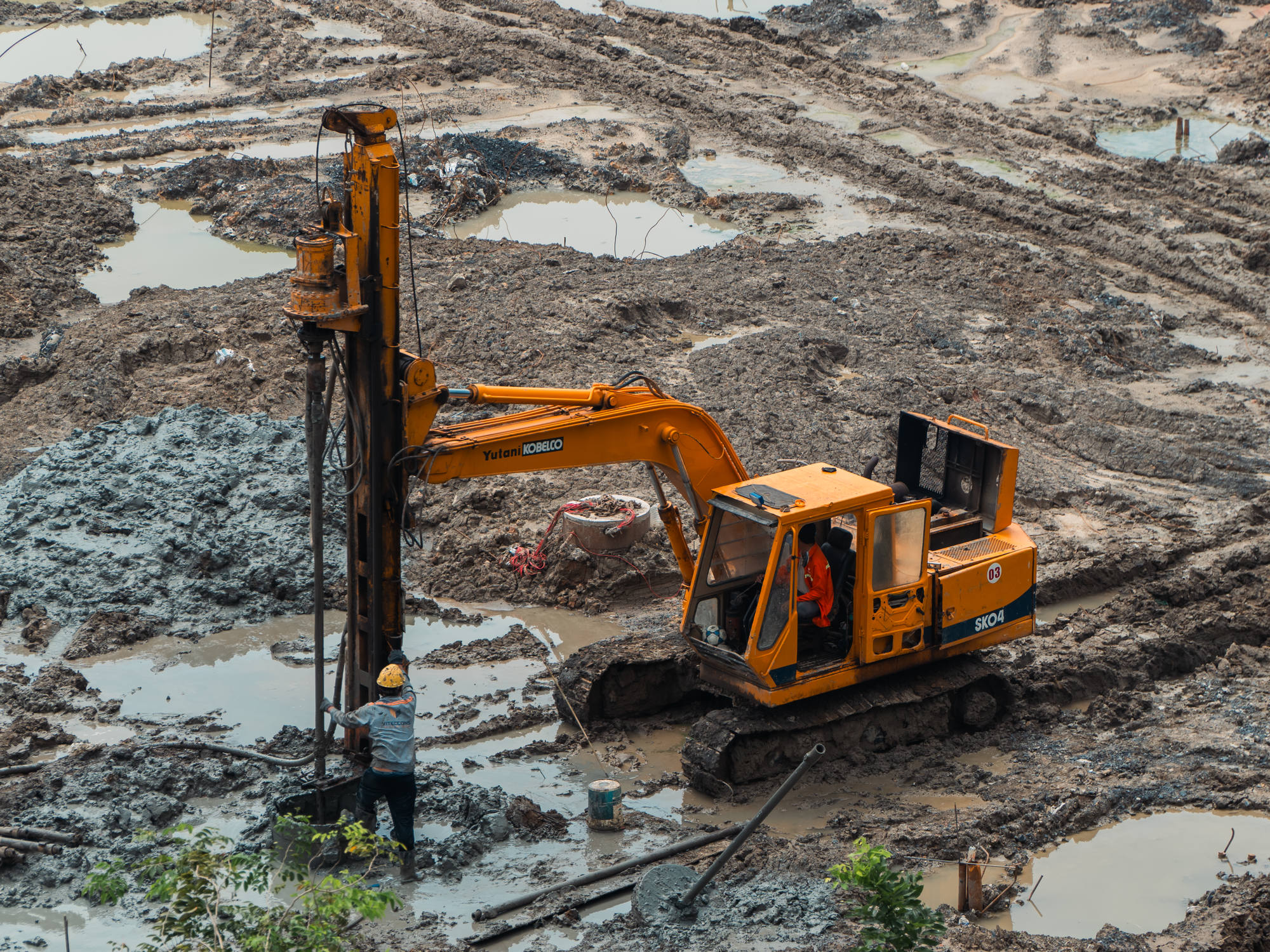
Movement survey
A structural engineer examines the walls, measures crack widths and determines whether the distress comes from failing ties or shifting ground beneath the home.
-
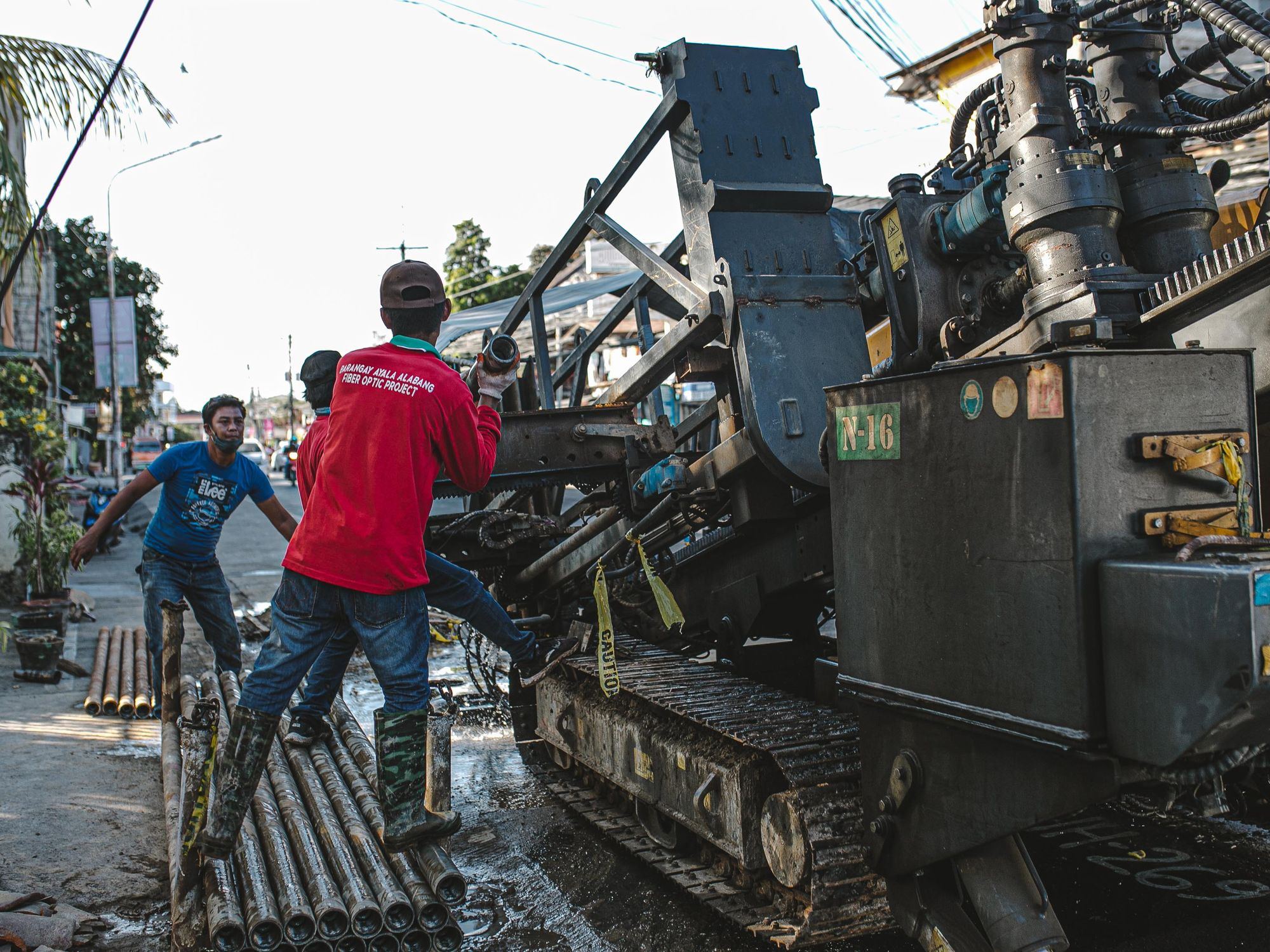
Crack monitoring
The specialist fits gauges over horizontal cracks and records changes across several months to see if the movement is active or has already stopped.
-
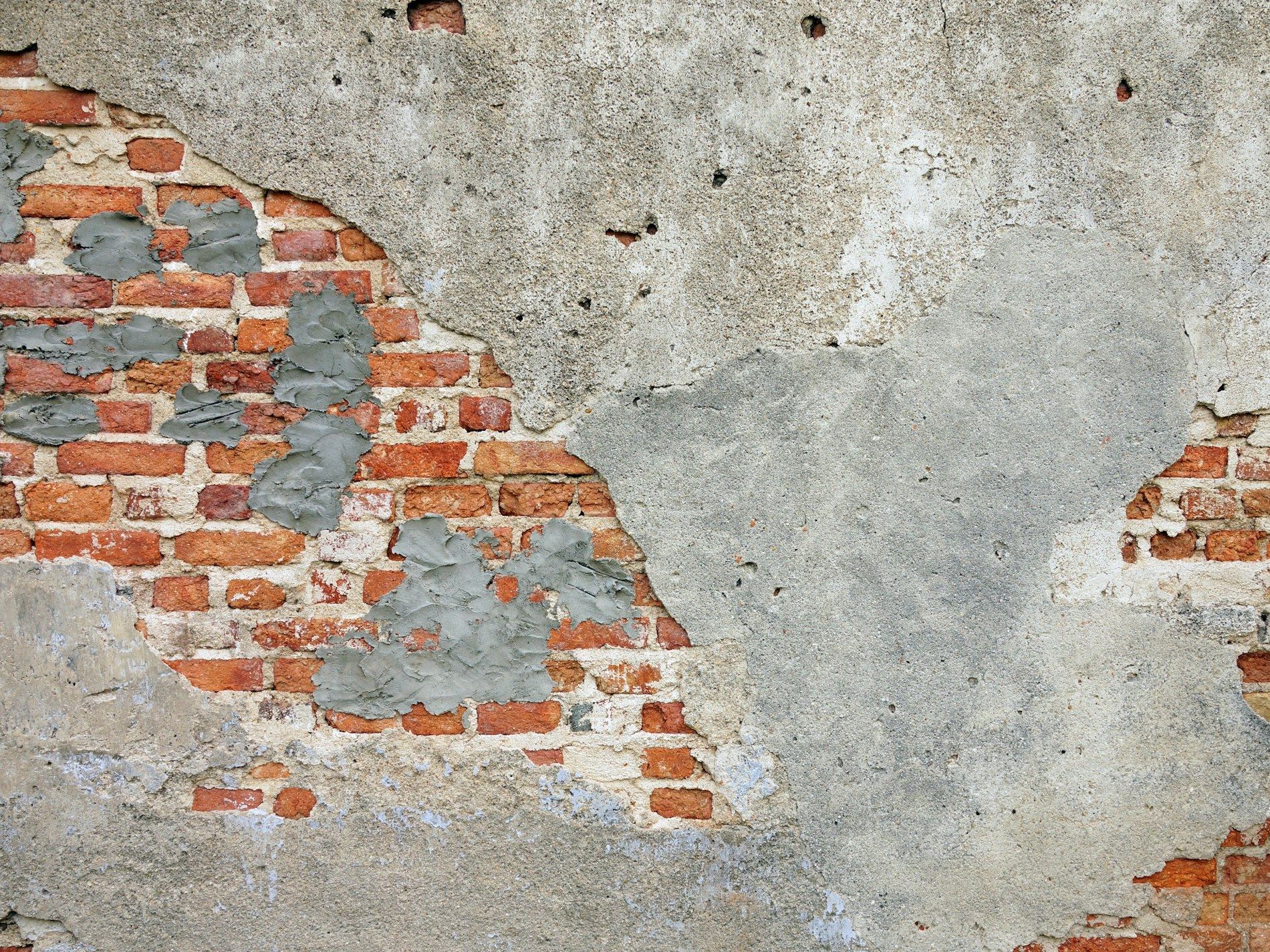
Underpinning
If the investigation shows the ground has moved as well as the ties failing, a contractor stabilises the foundations before any wall repair begins.
-
Buyer's report
A surveyor writes an independent assessment of the wall condition for anyone purchasing a cavity-built house showing signs of tie corrosion in Kent.
Tie failure signs
How corroded wall ties show themselves
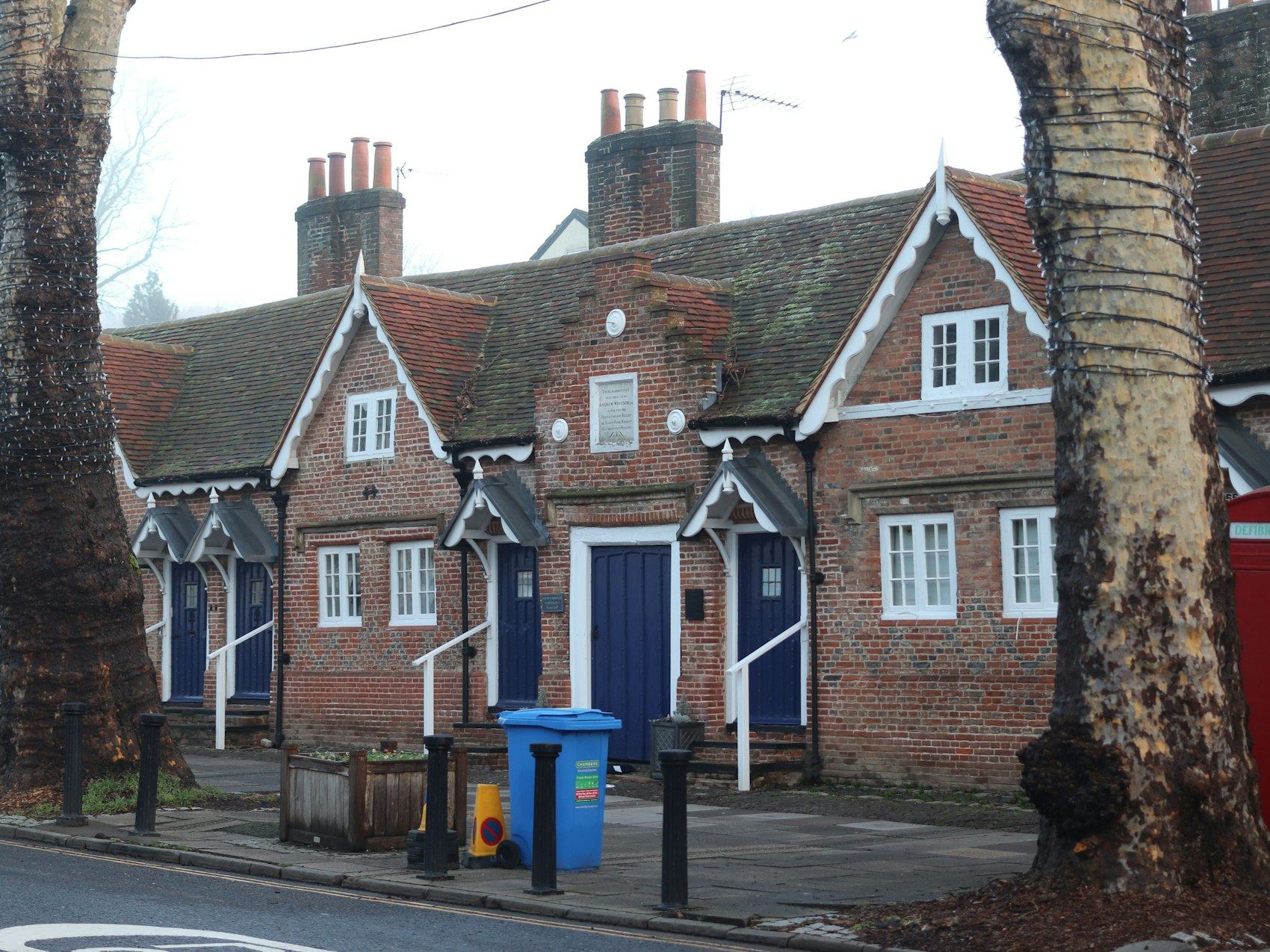
Rust expands the metal inside the cavity, pushing the outer leaf away from the inner one. The symptoms follow a distinct pattern.
- Horizontal cracking along mortar beds Rust expansion forces the bed joints apart. The cracks run horizontally along the length of the wall, usually appearing every five or six courses rather than stepping diagonally like subsidence cracks.
- Bulging render or brickwork As the outer leaf loses its anchor to the inner wall, wind pressure pushes it outward. You might notice a visible bow when sighting along the wall from ground level.
- Lifted brick courses at the top The uppermost ties often fail first because rain penetrates the parapet or roof edge. The top courses lift slightly, opening gaps under the soffit or fascia board.
- Cracks concentrated on exposed elevations Walls facing the prevailing wind and driving rain corrode faster. Damage often appears on the seaward side of a house while the sheltered elevation remains sound.
Typical costs for wall tie work
The cost depends on how many ties have failed, the height of the wall and whether scaffolding is needed. Homes near the Kent coast often need stainless steel replacements rated for salt exposure, which affects material cost.
-
Endoscopic cavity inspection
£300 to £600
Number of walls inspected and access height for the drill holes.
-
Wall tie replacement per elevation
£1,500 to £4,000
Wall area, tie spacing required and scaffold hire duration.
-
Full house retie and making good
£5,000 to £12,000
Number of elevations affected, internal plaster repairs and redecoration.
-
Structural movement survey
£800 to £1,500
Size of the home and complexity of the cracking pattern found.
These figures indicate what work of this type typically costs. Nothing here is a quotation. Only a physical inspection can settle a figure for your home.
Documents you receive after the visit
A specialist inspects the walls, records measurements and produces written evidence of what they found. This paperwork forms the basis for any repair decision you make later.
Condition report
A written record of where cracks appear, their current width and whether the pattern matches tie corrosion or ground movement.
Photographic schedule
Labelled photographs of each affected elevation, showing the horizontal cracking and any bulging for future comparison.
Scope of works
A specification detailing the number of replacement ties needed, their type and the method the contractor will use to install them.
Questions about wall ties and cracking
- Can I replace ties myself?
- Installing ties requires drilling through both leaves of masonry at precise angles and depths. A specialist uses resin or mechanical anchors designed for the specific brick type and cavity width.
- Do all cavity walls need new ties?
- Only walls where corrosion has caused measurable movement. An endoscope lets the engineer check the condition of existing ties inside the cavity before recommending any work.
- Will my insurance cover it?
- Most standard buildings policies exclude gradual deterioration like rust. However, if a sudden event caused the damage, the insurer may consider a claim based on the survey evidence.
- How long do replacement ties last?
- Stainless steel ties installed correctly should outlast the building. In coastal parts of Kent, grade 316 stainless steel resists salt-laden air far better than older galvanised options.
- Does retie work mean underpinning?
- Rarely. If the cracking is purely from expanding ties, replacing them stops the movement. Underpinning only becomes necessary when a separate ground issue is also affecting the foundations.
Ask a specialist to look at the walls
Write a few lines about where the cracks are and how long you have noticed them. The details go to a firm experienced in cavity wall faults across Kent, and sending them commits you to nothing.
- No fee for reading it
- No obligation to proceed
- Specialist replies directly