North Kent ground
Homes on old quarry, brickfield and cement works land
Send details of the cracks or movement you have noticed at home. A specialist firm will review what you describe and explain whether a survey is needed, without charging for that first look.
What lies beneath former industrial sites in north Kent
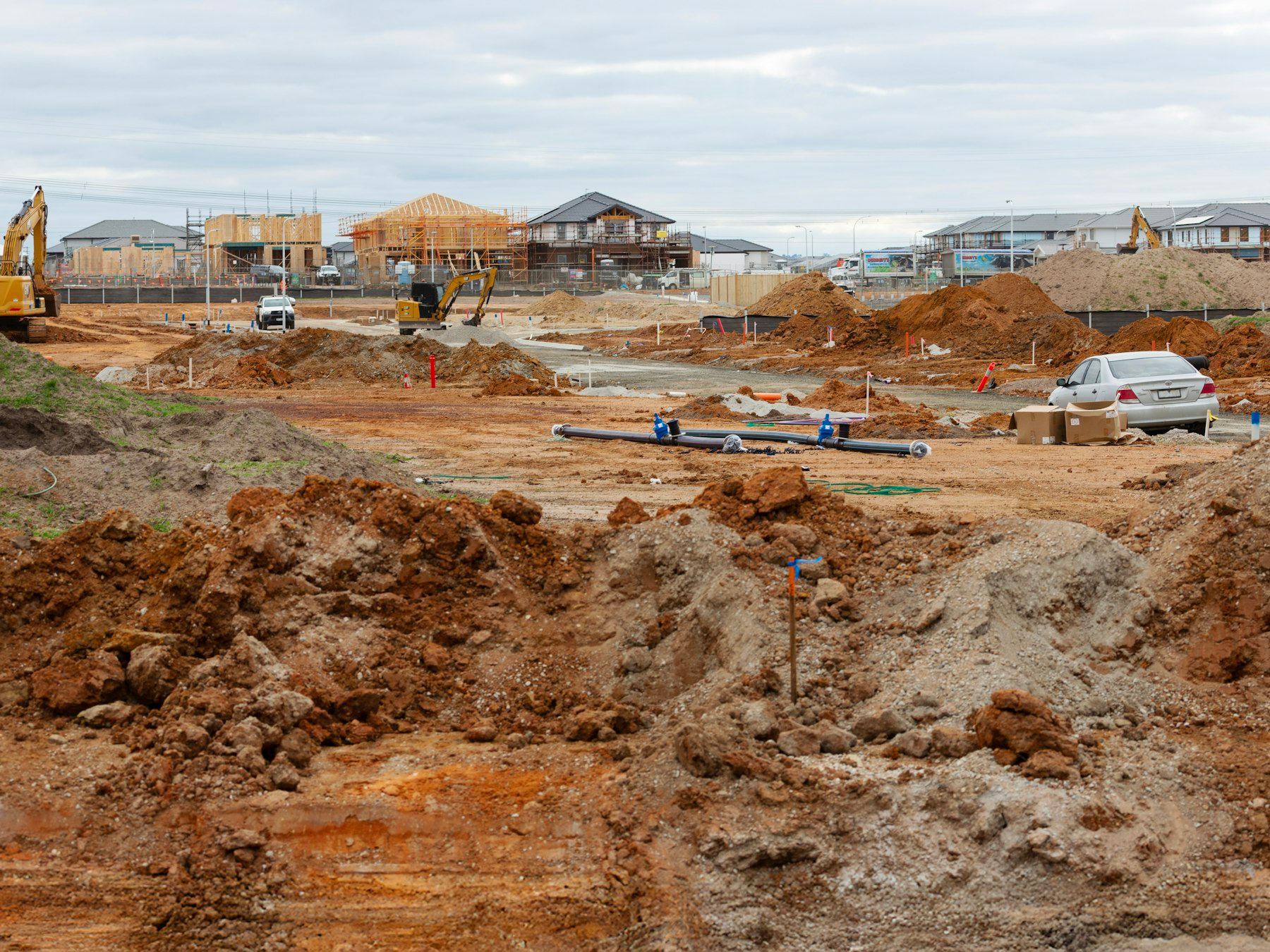
Along the Thames and Medway estuaries, large areas of housing were built where chalk quarries, brickfields and cement works once operated. When those industries closed, the pits and workings were filled back in so building could start. The fill material was rarely uniform. Rubble, clay spoil, ash and whatever else was available went into the same hole.
That history matters because the ground under one end of a house can behave differently from the ground under the other. A foundation bearing on solid chalk may sit next to one resting on several metres of loose fill. The two sides settle at different rates, and the walls above them crack where they meet.
Older maps sometimes show the original quarry edges, but many plots were filled before records were kept carefully. A structural movement survey establishes what is actually there now rather than relying on paperwork that may be incomplete or missing entirely.
How uneven fill causes movement in a house
When a house stands on made ground, the weight of the building compresses the fill beneath it. If the fill is the same depth and density everywhere, the house sinks evenly and nothing breaks. But former quarry sites rarely offer that consistency.
A deep pocket of loose material under one corner compresses more than the firmer ground nearby. The wall above tilts or drops. Cracks open where that wall joins another that is still supported. Door frames twist out of square. Floors slope toward the weaker side.
This type of settlement often continues slowly over decades. It can accelerate if a drain leaks and washes fine particles out of the fill, leaving voids. It can also pause during dry weather and resume when rain softens the ground again. Because the pattern changes with the seasons, a single visit may not reveal the full picture. Monitoring over time shows whether the movement is still active or has stopped.
What a movement survey looks for on reclaimed ground
A specialist structural engineer examines the cracking pattern first. On former industrial land, certain shapes point to differential settlement rather than simple thermal expansion. Diagonal cracks stepping through mortar joints, wider at the top than the bottom, suggest one section of the wall has dropped relative to another.
The survey also checks floor levels across the house using precise instruments. A slope that runs in one direction, rather than dipping randomly, supports the idea that the ground is compressing unevenly beneath the foundations.
Because the cause is below the surface, the engineer may recommend trial holes to see how deep the fill goes and what it contains. Drainage CCTV surveys check whether broken pipes are washing soil away and creating new voids. Both steps help determine whether the house needs stabilisation or simply observation over a few months.
Stabilisation methods suited to variable fill depths
Once the extent and cause of movement are clear, the right repair method depends on how deep the weak ground reaches and how much access the site allows.
Where the poor fill is shallow, traditional underpinning lets a contractor dig down to competent strata and pour new concrete bases beneath the existing foundations. This work is disruptive but well understood.
If the fill extends several metres down, screw piling drives steel shafts through the loose material until they grip something solid. The piles can be installed in confined spaces where excavators cannot reach. Resin injection offers another route: a specialist pumps expanding resin into the ground to compact loose fill and fill small voids without digging. Each method suits different combinations of depth, access and soil type, which is why the survey must come first.
Selling or buying a house on a former works site
Houses on reclaimed industrial land carry a specific history that buyers and their mortgage lenders want to understand. A standard valuation survey might note cracking without explaining why it happened or whether it is ongoing.
A specialist home buyer subsidence report addresses that gap. It sets out the likely cause of any movement, describes the ground conditions typical of the area, and states whether further investigation or repair is needed. Sellers who commission this report before marketing avoid delays later, since the information is already available when a buyer asks questions.
For owners who plan to stay, understanding the ground beneath the house removes uncertainty. Knowing whether a crack is a sign of active settlement or a relic of old movement changes what needs doing next.
Signs the ground under your home is settling unevenly
Made ground compresses at different rates beneath each wall. That uneven support pulls the structure apart along its weakest lines, producing visible damage inside and outside the house.
- 1
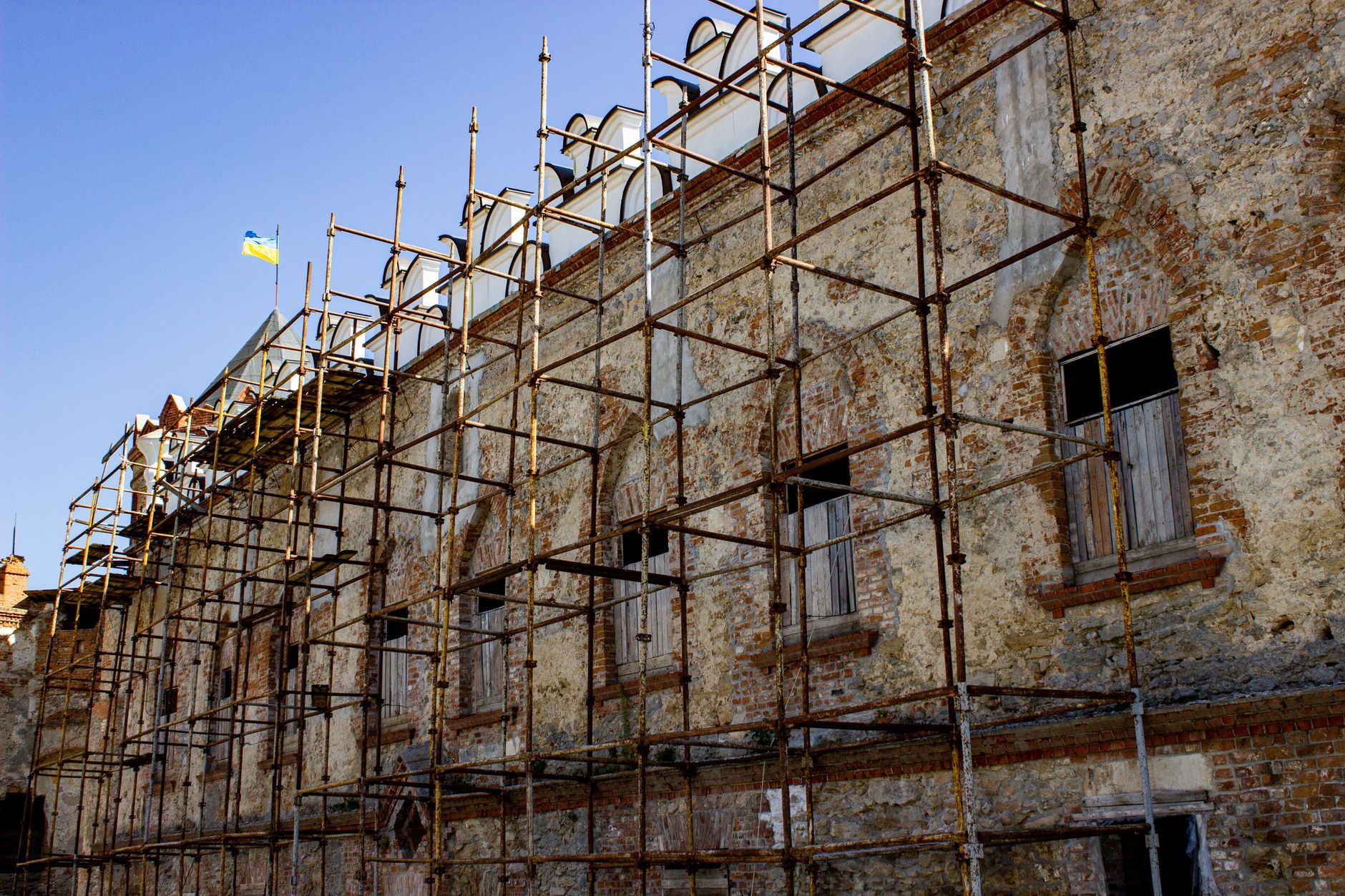
Diagonal cracks near corners
Cracks running at an angle through brickwork or plaster, usually wider at the top, where one wall section has dropped lower than its neighbour.
- 2
Doors that catch on the frame
A door that previously swung freely now sticks or scrapes. The frame has distorted because the wall around it has shifted position slightly.
- 3
Sloping floors in one room
A ball placed on the floor rolls consistently in one direction. The joists or slab beneath have tilted as the ground compressed unevenly.

- 4
Gaps opening at skirting boards
The wall has moved away from the floor line, leaving a visible space between the timber skirting and the floorboards or screed below.

- 5
Cracks returning after filling
Decorative filler applied over a crack splits again within months. The underlying movement has not finished, so the surface repair cannot hold.
Ground conditions on former works sites
-
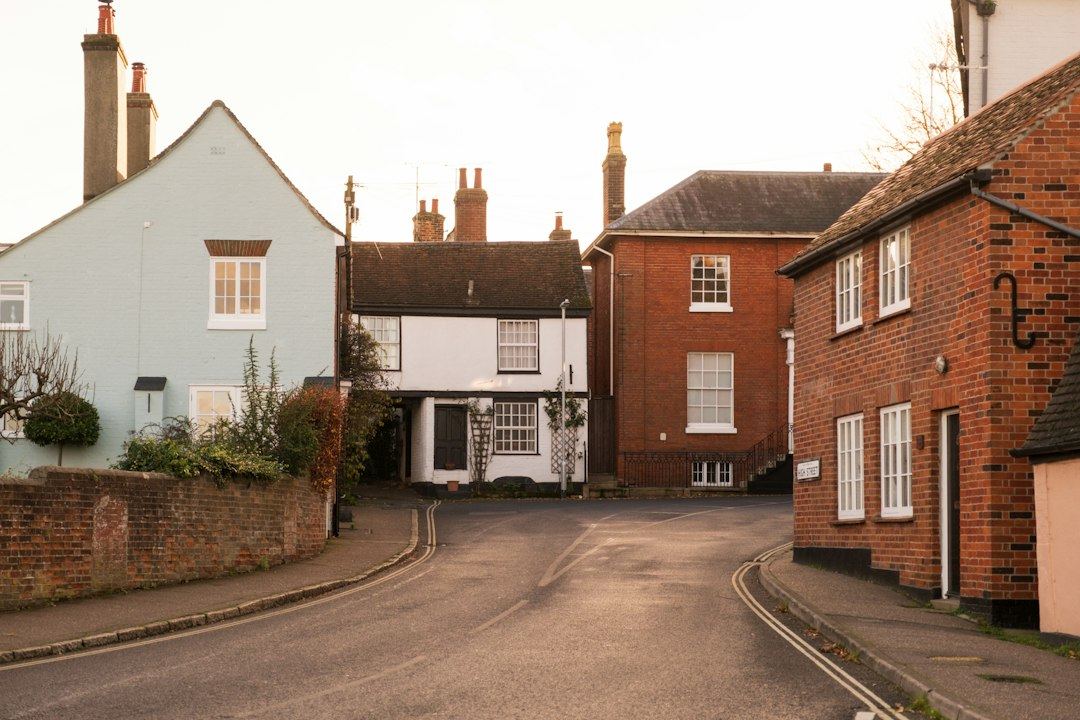
Questions that come up when houses stand on filled quarry or brickfield land along the estuaries.
- Why only part of the house moves
- Fill depth varies across a single plot. One foundation sits on firm chalk while another rests on compressible spoil.
- Whether drains make it worse
- Leaking pipes wash fine particles from loose fill, creating underground voids that allow further settlement.
- How long monitoring takes
- Crack gauges left in place over several months show whether movement is continuing or has stabilised.
- Which repair suits deep fill
- Screw piling reaches past several metres of loose material to find a load-bearing layer underneath.
- What buyers need to know
- A specialist report explains the ground history and current condition to satisfy lenders and conveyancers.
Tell us what you have noticed at home
Describe the cracking or movement you can see. A specialist firm will read your account and advise whether a survey is warranted, with no fee for that initial assessment.
- No charge for advice
- No obligation to proceed
- Specialist firms do the work