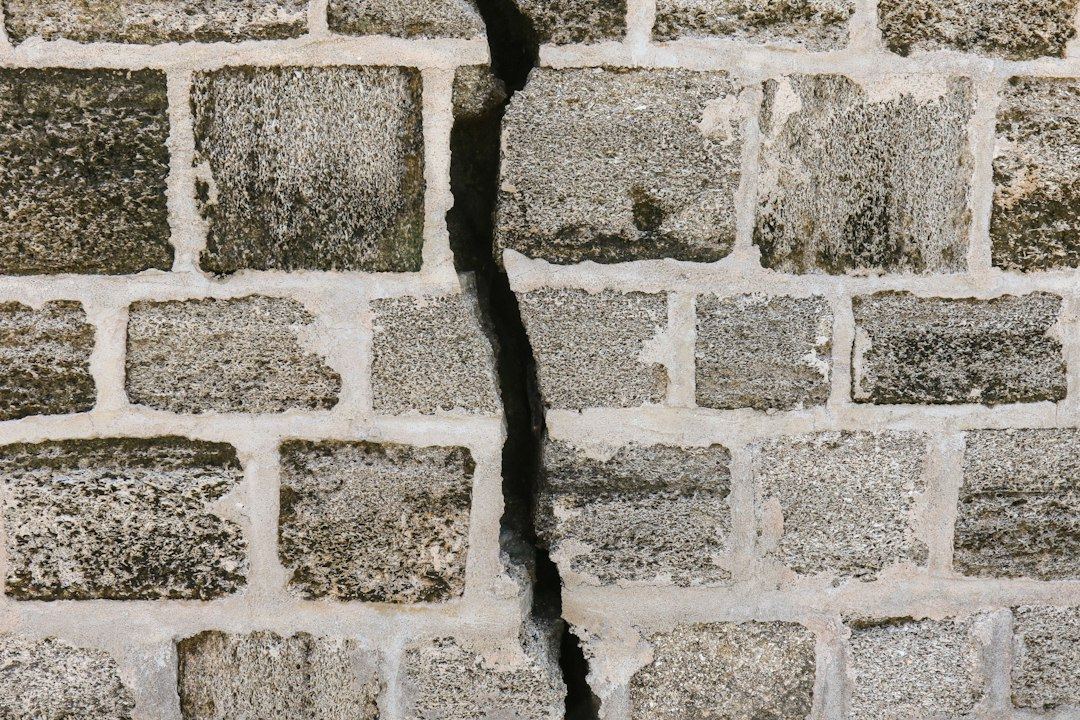
Folkestone
Subsidence in Folkestone: cracks on the clay slopes
Describe the movement you have noticed at your home and find out what it means. A specialist will review the details and advise whether a visit is needed, without any charge or obligation to proceed.
Specialist services for movement and cracking
Each enquiry goes to a firm that handles one part of the problem. They work independently and report their findings directly to you, so you know exactly what is happening under your home.
-
Structural movement survey
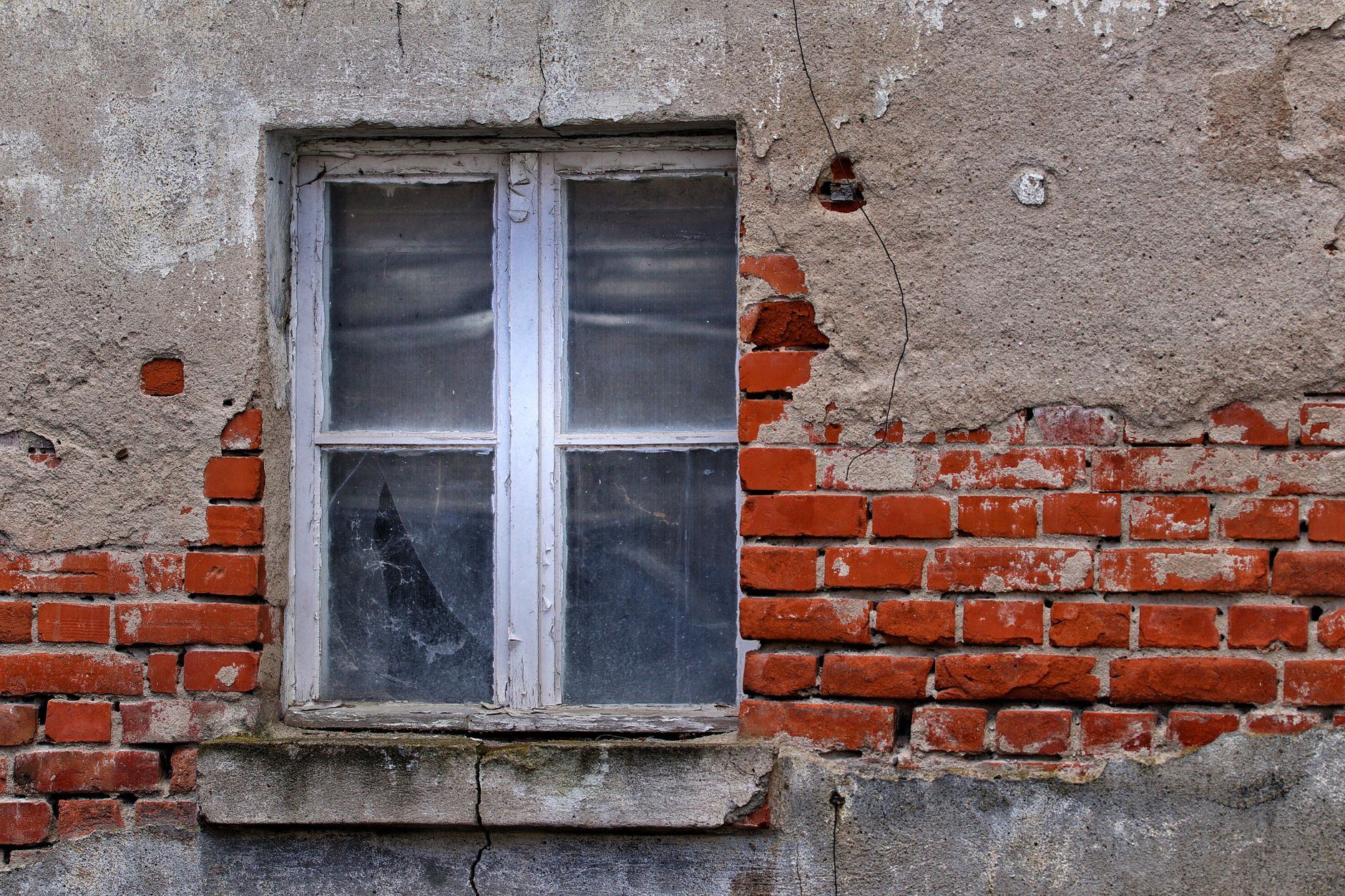
A structural engineer examines the walls, floors and ground around the home, then writes a report explaining the cause of movement and what needs doing next.
-
Crack monitoring
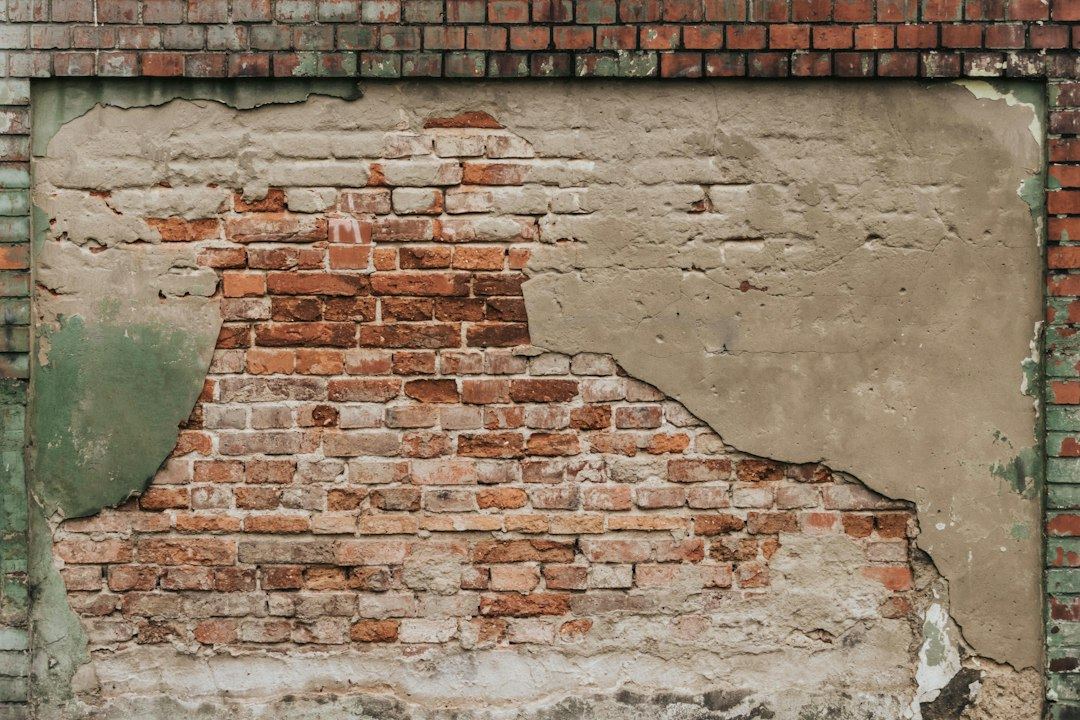
The specialist fixes gauges across open cracks and returns at set intervals to record changes, building a picture of whether the movement has stopped or is still active.
-
Drainage CCTV survey
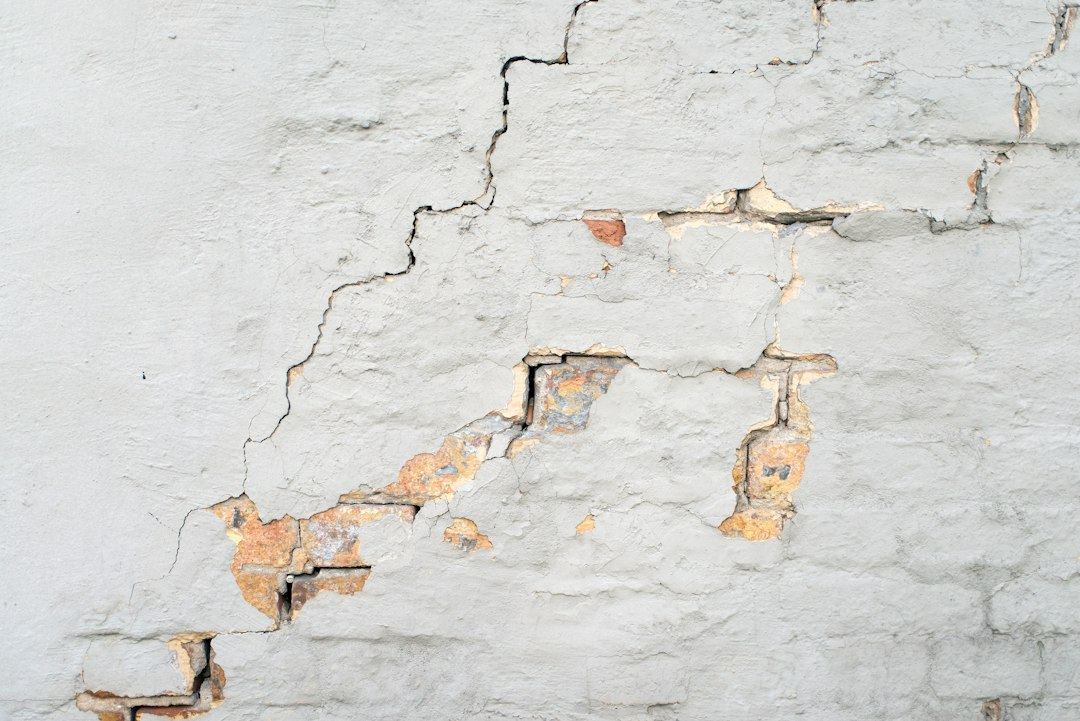
A drainage contractor sends a camera through underground pipes to check for fractures or blockages that could be washing soil away from the footings.
-
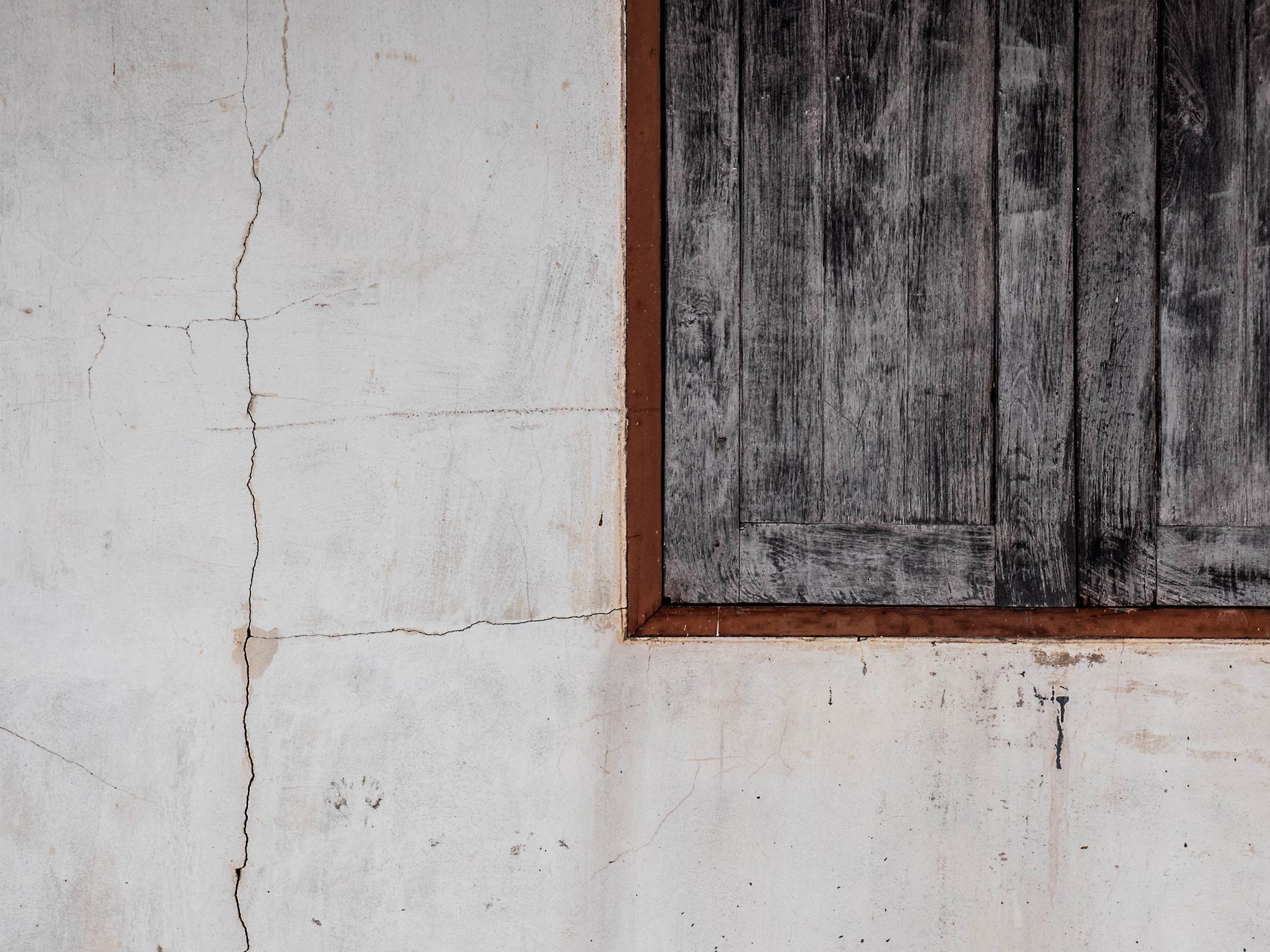
Underpinning
Groundworks contractors dig beneath existing foundations and pour new concrete to transfer the weight of the house onto firmer strata below the damaged soil.
-
Home buyer subsidence report
A surveyor inspects the property for a purchaser or lender, assessing past repairs and current risk so a sale can proceed with accurate information.
Local ground conditions
Why homes move on Gault Clay and slip ground
Gault Clay and Lower Greensand strata create complex slip circles that have historically caused major landslips across the district.
- Slope movement versus foundation settlement A sloping garden cracking wall in Kent often points to the whole bank shifting rather than the footings dropping. The specialist checks whether the ground itself is sliding downhill or the house is sinking into soft clay.
- Clay shrinkage in dry weather Gault Clay loses volume when it dries out. Sticking doors and cracks in an old house during summer usually follow this seasonal shrinkage, as the soil pulls away from shallow foundations and timber frames distort.
- Landslip near the Warren Homes above the undercliff sit on ground that has moved before. Landslip around Folkestone Warren properties tends to affect gardens and boundary walls first, long before the main structure shows damage.
- Trees drawing moisture from clay Roots pull water from the soil beneath the house. On Gault Clay this accelerates shrinkage. The specialist assesses whether nearby trees are the primary cause or simply making a slope problem worse.
Every service available for homes in Folkestone
The geology here combines shrinking clay with active slopes, so the right approach depends on which mechanism is driving the damage at your specific address.
-
Structural movement survey in Folkestone
A structural engineer report in Folkestone starts with measuring distortion across brickwork and checking borehole data for Gault Clay depth. The surveyor determines whether the movement relates to clay shrinkage or deeper landslip activity affecting the slope.
-
Subsidence crack monitoring in Folkestone
The specialist installs tell-tales across gault clay house cracks and records readings every few months. On undercliff properties where seasonal change is pronounced, visits may align with wet and dry periods to capture the full range of movement.
-
Drainage CCTV survey in Folkestone
Leaking drains soften clay and lubricate slip planes. A drainage contractor runs a camera through the system to find fractures beneath the house, since a hidden leak on a slope can trigger both subsidence and landslip simultaneously.
-
Underpinning in Folkestone
Before excavating, the contractor establishes whether the slope itself is stable. Underpinning a house on sloping clay ground only works if the wider bank is secure, so they may recommend slope stabilisation measures ahead of any foundation work.
-
Resin injection in Folkestone
Where access is tight or the ground is too unstable for traditional digging, a specialist pumps expanding resin beneath the footings. This compacts loose soil and lifts settled sections without the vibration of heavy plant on sensitive clay slopes.
-
Screw piling in Folkestone
Steel piles are driven through the upper clay to reach the Lower Greensand or firmer chalk below. The installer uses screw piling in Folkestone where surface soils are too weak to bear conventional concrete pads, transferring loads past the slip circle entirely.
-
Concrete cracking in Folkestone
Garage slabs and driveway panels crack when the clay beneath them dries and shrinks unevenly. The contractor cores samples to check sub-base thickness and determines whether the slab can be re-levelled or needs replacing on a deeper bed.
-
Wall tie replacement in Folkestone
Cavity walls on exposed slopes bow outward when original ties corrode. The mason drills test holes, extracts failed ties and installs stainless steel replacements, then repoints the outer leaf to restore the wall's structural connection.
-
Home buyer subsidence report in Folkestone
When a valuer retains funds pending a structural engineer report in Folkestone, the surveyor arranges an inspection quickly. They produce a document addressing clay shrinkage subsidence in Shepway district terms that lenders recognise, allowing the purchase to proceed.
Towns covered across Kent
Enquiries are directed to firms working throughout the county. Each one covers multiple towns, so someone familiar with the local geology handles your case regardless of where you live in Kent.
If your town is not listed, send an enquiry anyway. Firms cover most of the county.
Tell us what you have noticed
Send a short description of the cracks or movement at your home. A specialist will read it and reply with advice on what to do next. There is no fee and no commitment to accept any work.
- No obligation to proceed
- Free initial assessment
- Local specialists only