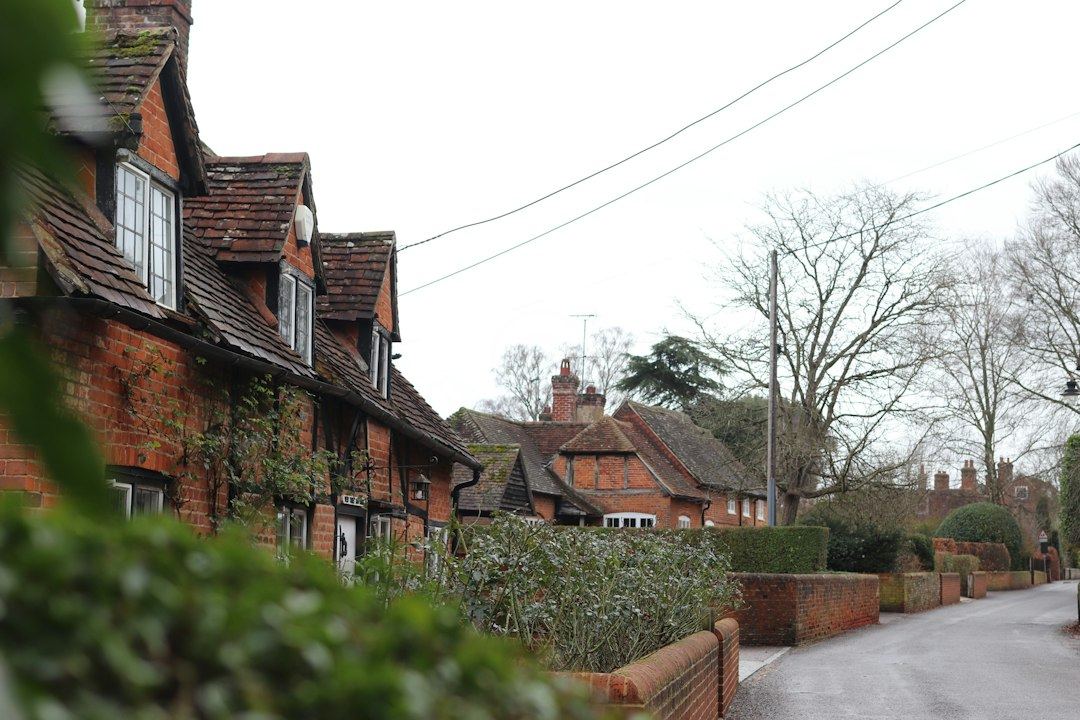
Newer Kent homes
Cracks in newer houses and garden-plot infills
Send details of the cracking you have noticed. A specialist firm will read them and tell you whether a survey is needed, with no charge for that first look at your home.
Why new houses crack too
Subsidence feels like a problem reserved for Victorian terraces and old farmhouses. But newer homes across Kent develop cracks for reasons that have nothing to do with age. Builders work on tighter plots now, often on ground that was left alone in previous decades because it was harder to build on.
A house less than ten years old can still move. The difference is that the cause usually sits in the soil beneath the foundations rather than in the materials above them. Clay shrinks when it dries. Filled ground compresses under weight. Drainage leaks wash fine particles away from shallow footings.
If you bought a newer home and assumed cracking was something only older buildings suffered, the sight of a line running through fresh plaster is disorienting. You expect the warranty to cover it, or you worry the builder cut corners. Both things happen, but neither is the only explanation. The ground itself has its own schedule, and a new house is still learning to sit on it.
Bedding-in settlement versus ongoing movement
Every new house settles. The weight of the walls, floors and roof presses down on the soil, and the soil compresses slightly. This bedding-in usually happens in the first two years after construction. It produces thin cracks, often where a wall meets a ceiling or around a window frame. They tend to stay the same width once they appear.
Ongoing movement looks different. A crack that widens over months, or one that opens in summer and closes again in winter, points to something active in the ground. Shrinkable clay is the usual suspect in Kent. Trees planted close to a new estate draw moisture from the soil in dry spells, and the clay contracts. When the rain returns, it swells again. That cycle pulls at shallow foundations.
A structural movement survey measures the direction and rate of travel. The specialist records readings over weeks or seasons so the pattern becomes visible. Crack monitoring tells you whether the house has finished settling or is still moving.
Made ground and garden-plot infills
Many newer estates in Kent sit on land that was not always meant for houses. Former gardens, small allotments and strips between older developments get sold off and built on. The ground beneath them is rarely uniform.
Garden soil contains organic matter that rots down over time, leaving voids. Rubble from demolished sheds or old paths gets buried rather than removed. Where a plot was once part of a larger field, the topsoil might be deep and soft in one corner and thin over chalk in another. Foundations designed for consistent ground behave unpredictably when the material changes every few metres.
Variable made ground does not always mean the builder did poor work. It means the soil was never homogeneous to begin with. Specialist firms use trial pits, boreholes or ground-penetrating radar to map what lies beneath. Once they know where the weak spots are, they can recommend resin injection to firm up loose fill or screw piling where access is tight and the stable layer sits deeper than expected.
Shrinkable clay on new estates
Kent has large areas of Weald Clay and Gault Clay. Both shrink when they lose moisture and swell when they absorb it. New housing estates frequently extend into these clay belts because the flatter land near towns was built on decades ago.
A developer will design foundations to cope with the expected clay movement. But the calculations assume normal weather patterns and typical tree distances. A long dry summer, or a neighbour planting a row of fast-growing willows along a boundary fence, changes the equation. The clay dries out faster than the foundation depth accounts for, and the house moves.
The signs appear first at the weakest points: above lintels, below window sills, at the corners of extensions. If the clay is the cause, the cracks often follow a seasonal rhythm. Recording that rhythm through crack monitoring helps the specialist distinguish clay shrinkage from a leaking drain or compacting fill. Each cause demands a different repair, so getting the diagnosis right matters more than acting fast.
Using the new-home warranty
Most houses built in the last ten years carry a structural warranty from providers such as NHBC, LABC or Premier Guarantee. These policies typically cover defects in the structure for eight to ten years from completion. Cracking caused by inadequate foundations or poor ground preparation falls within that scope.
But a warranty provider will ask for evidence before accepting a claim. They want proof that the movement is structural rather than cosmetic, and they want to rule out causes they exclude, such as drainage problems the homeowner failed to maintain. A report from an independent specialist firm carries more weight than photographs taken on a phone.
If you suspect your home qualifies, start by documenting the cracks. Note when they appeared and whether they change with the seasons. Then arrange a structural movement survey. The specialist produces a written record of the damage, the likely cause and the recommended remedy. That document forms the basis of any warranty claim, and it protects you if the provider disputes the severity.
What a specialist firm actually does
Taking enquiries about newer homes involves listening to the owner describe what they see and matching those observations to the known ground conditions in their part of Kent. From there, the appropriate specialist firm takes over.
If the cause might be a leaking drain washing soil away, a drainage CCTV survey traces the pipes beneath the house. If the ground needs strengthening without heavy excavation, resin injection firms pump expanding material into the voids. Where the stable stratum is deep and the site is narrow, screw piling specialists drive steel piles down to firm ground.
For homeowners buying or selling a newer property with visible cracks, a movement report gives both sides a factual basis for negotiation. None of this requires the homeowner to guess which trade to call first. Describe the symptoms, and the right specialist firm handles the investigation and the repair.
My house is nearly new, so why is it cracking?
Newer homes settle, but some keep moving because of the ground beneath them. Clay shrinking, filled land compressing or a leaking pipe can all open cracks in a house that is only a few years old.
- 1
Diagonal lines at window corners
Cracks tapering outward from the top or bottom corner of a frame often point to uneven movement in the wall below.

- 2
Doors sticking in summer only
Frames distort when the ground swells in wet months and shrinks in dry ones, catching the door edge seasonally.

- 3
Gaps opening at skirting boards
The floor drops away from the wall as the ground compresses, leaving a visible space behind the timber.

- 4
Plaster cracking along ceiling joints
Lines following the junction between a wall and ceiling suggest the two surfaces are pulling apart slowly.
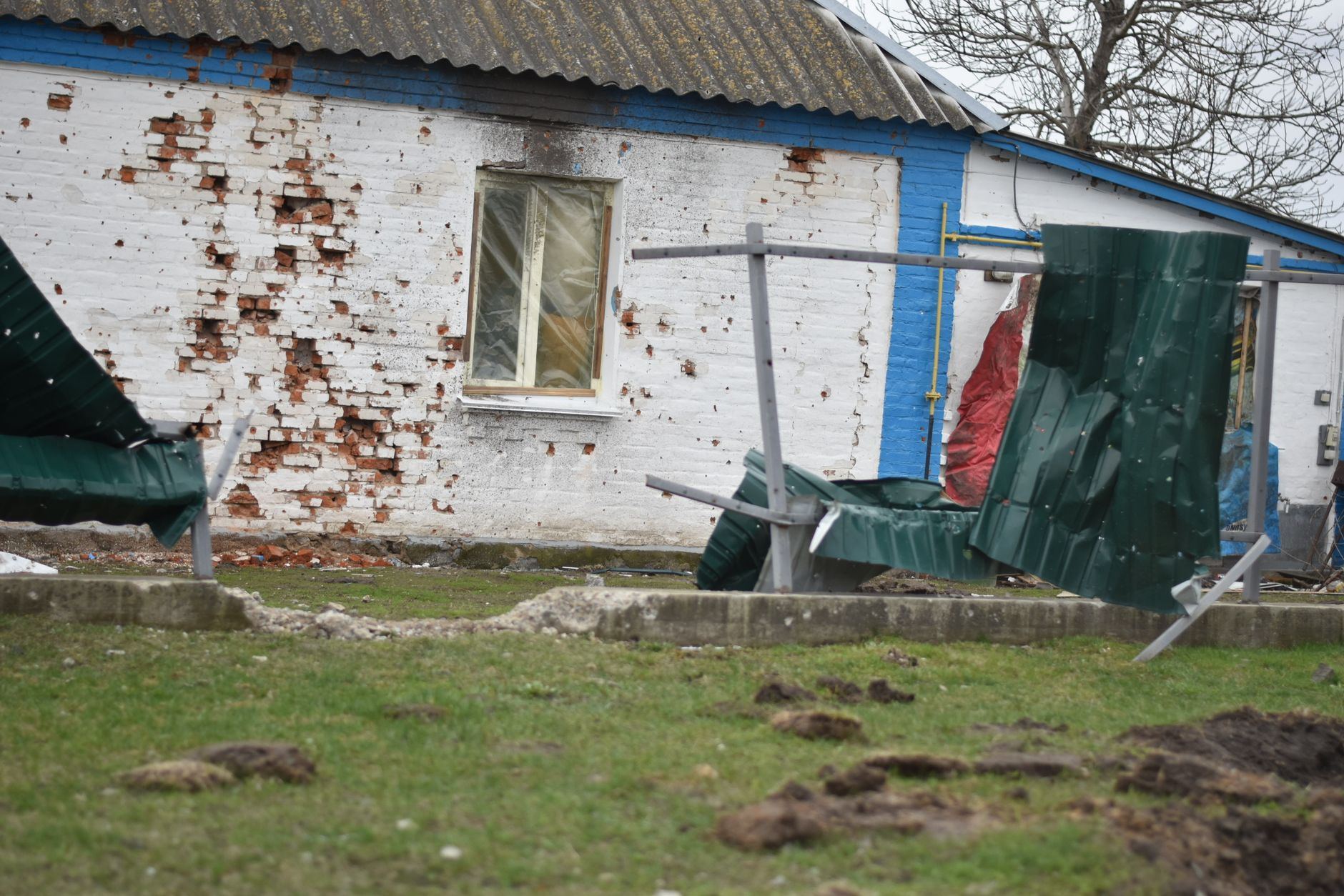
Questions about cracks in newer homes
These cover the most common worries. Ask anything else directly. Ask a different question.
- Will my ten-year building warranty cover subsidence cracks?
- Most structural warranties cover foundation defects for eight to ten years from completion. The provider will require a specialist report confirming the cause is structural rather than maintenance-related, such as a blocked drain.
- How long does crack monitoring take on a new house?
- Specialists usually monitor over six to twelve months to capture seasonal changes. Readings taken every four to eight weeks show whether the movement has stopped or is still progressing.
- Can trees planted after I moved in cause the ground to shrink?
- Yes. Fast-growing species planted within their mature height distance of the house can draw significant moisture from clay soils, causing shrinkage that affects shallow foundations within two to three years.
- Is bedding-in settlement the same thing as subsidence?
- No. Bedding-in happens in the first two years as the house weight compresses the soil evenly. Subsidence is ongoing, uneven downward movement caused by changing ground conditions beneath the foundations.
- Do I need underpinning if my new house is cracking?
- Rarely on newer builds. Underpinning is one option, but specialists often find that resin injection, repairing a leaking drain or managing nearby trees resolves the movement without excavating beneath the footings.
- What does a structural movement survey involve?
- A specialist visits the home, maps every crack, measures widths to a fraction of a millimetre and checks levels across the floors. They then assess the soil type and drainage to determine the likely cause.
Tell us what you have noticed
Send a description of the cracks and where they are in your home. A specialist firm reviews the details and advises whether a survey is needed. There is no fee for this initial assessment and no obligation to proceed.
- No fee for review
- No obligation to proceed
- Specialist firms do the work