
Ground-level cracks
Cracks in slabs, garage floors and drives across Kent
A crack in a concrete slab does not always mean subsidence. Describe what you have noticed and where it sits in your home. There is no fee for this first conversation and no obligation to proceed.
Specialist services
How ground-level cracking gets investigated and repaired
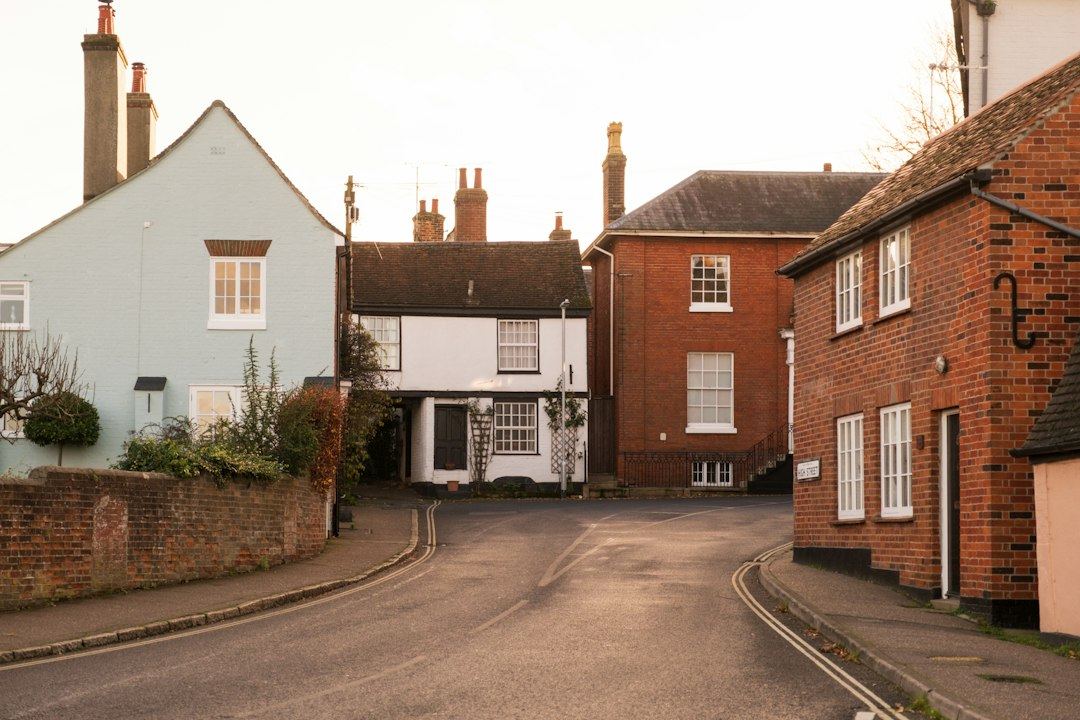
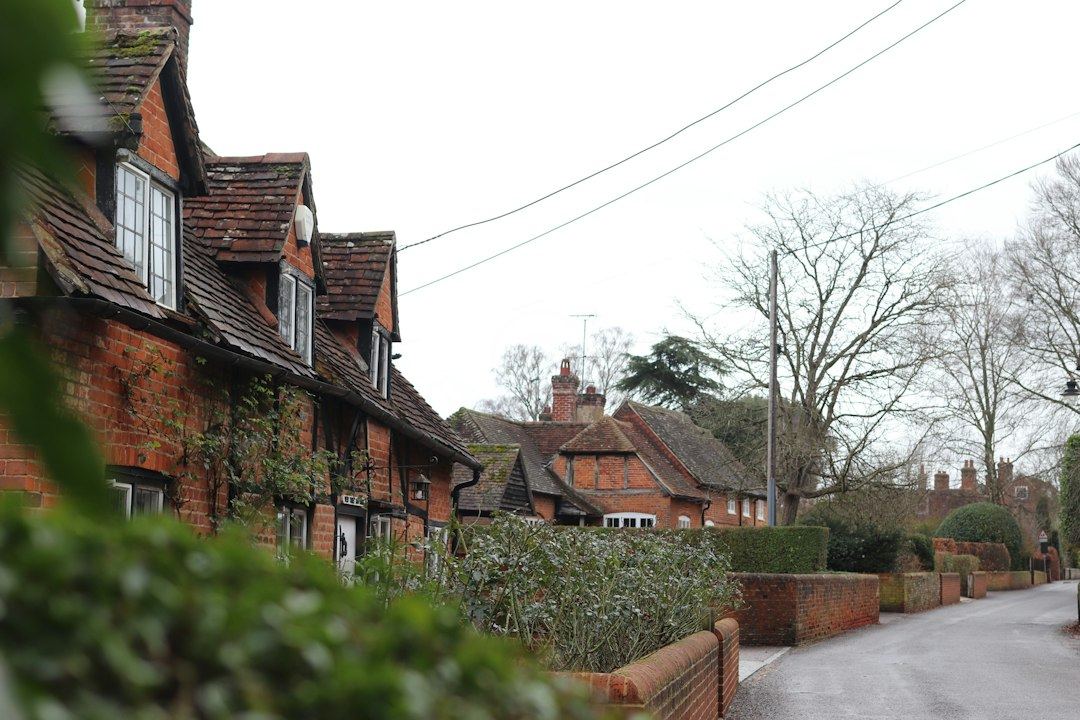
Structural movement survey
A specialist surveys the cracked slab and the surrounding walls to determine if the movement is isolated to the floor or linked to wider foundation settlement.

Drainage CCTV survey
Leaking drains wash away the subbase beneath concrete slabs. A drainage firm runs a camera through the pipes to find voids or fractures causing the problem.
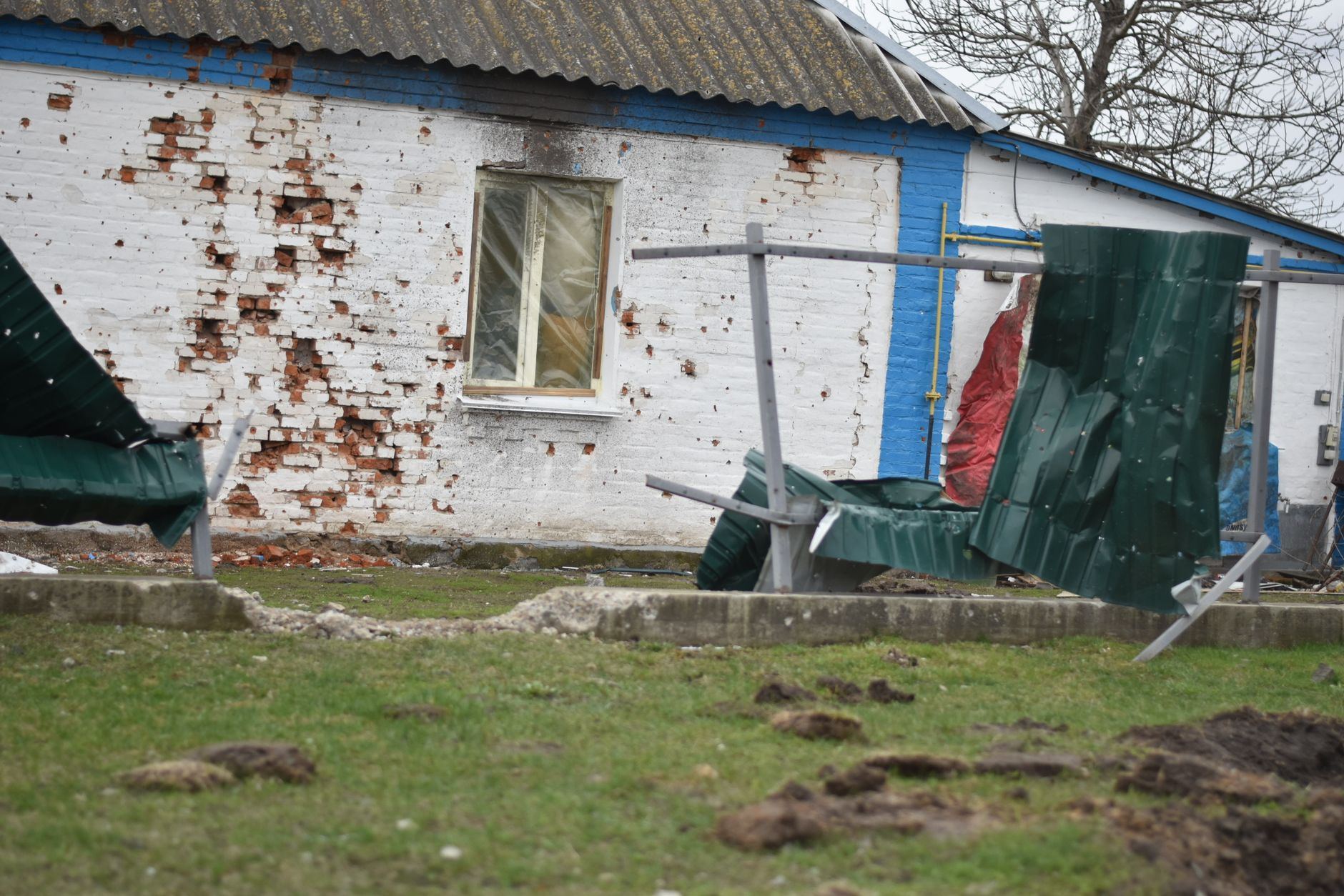
Resin injection
Where weak ground has left a slab unsupported, a contractor injects expanding resin beneath the concrete to fill voids and firm up the bearing surface.
Underpinning
If the ground beneath an extension slab has failed, a specialist excavates below the existing footing and pours new concrete to reach stable strata.
Screw piling
For drives or garage floors on deep or poor ground, a piling firm drives steel helical piles to transfer the load past the weak layers.
Common causes
Why concrete slabs crack
Separating the cause from the symptom stops unnecessary repair work on your home.
- Subbase washout Escaping water carries fine soil away from beneath the slab.
- Clay shrinkage Dry summers cause clay soils beneath a home to contract and drop.
- Frost heave Freezing water expands under unheated concrete surfaces like drives and garage floors.
- Concrete shrinkage New slabs crack as excess moisture evaporates during the curing process.
- Tree roots Tree roots extract moisture unevenly from the ground near a slab.
What happens after you describe the cracking
01
You describe the crack
Note where the crack sits, how wide it is, and whether doors or walls nearby show any signs of distortion.
02
The right firm is identified
Based on the details, the appropriate specialist is selected to handle ground-level slab issues rather than wall movement.
03
An inspection takes place
The chosen contractor visits your home to examine the slab, measure the crack and check the surrounding ground conditions.
04
You receive a report
The specialist writes up their findings, explains the cause and sets out any repair options with costs.
What the investigation produces
Every conclusion about a cracked slab rests on measurements taken at your home. The specialist records what they find so you have a clear account of the condition and the reasoning behind any recommended work.
Site inspection report
A written record of the crack dimensions, slab levels and visible ground conditions observed during the visit to your home.
Cause assessment
The specialist identifies whether the cracking stems from subbase failure, clay movement, tree influence or simple concrete shrinkage.
Repair specification
Where work is needed, a defined scope setting out the method, materials and sequence required to stabilise the slab.
Questions about cracks in slabs and ground-level concrete
Homeowners often notice floor cracks before wall movement and wonder if the two are related.
- Does a cracked slab mean my house is sinking?
- Not necessarily. Garage floors and drives often crack because of temperature changes or a washed-out subbase, completely independent of the main foundations supporting your walls.
- Hairline cracks in a new extension floor
- Thin cracks in recently poured concrete usually result from shrinkage as the slab dries. A structural engineer can confirm whether they fall within normal tolerances.
- Can a leaking drain cause my drive to split?
- Yes. Water escaping from a fractured pipe erodes the compacted stone beneath the concrete. A drainage survey locates the leak so the ground can be reinstated.
- Will clay heave lift my garage floor?
- On Weald Clay or Gault Clay, prolonged wet weather swells the ground upward. If the slab was cast directly on the clay without a void former, it will lift and crack.
Tell us about the crack in your slab
Send a description of the cracking, where it sits and how long you have noticed it. This information goes to the relevant specialist. It does not commit you to any survey or repair work.
- No fee for this step
- No obligation to proceed
- Specific to your home