Maidstone ground movement
Cracks in Maidstone homes and the ground beneath them
Maidstone sits on river alluvium near the Medway, with Weald clay rising to the south. Both soils shrink and swell with the seasons, opening cracks in ragstone, brick and render. A specialist covering the town can identify what is causing the movement and stabilise the ground beneath your home.

What you might be seeing around your home
Ground movement rarely announces itself at once. It shows up as small changes in walls, floors and door frames over weeks or months. These signs do not always mean subsidence, but they do need a proper look from someone who knows local soil.
- 1
Diagonal cracks in brickwork
A crack running at an angle through mortar joints, wider at one end than the other, often points to uneven settlement below that wall.

- 2
Gaps around window frames
If a window no longer sits square in its opening, the surrounding wall may have shifted. Draughts and sticking catches follow.

- 3
Render splitting away from stone
Ragstone walls flex slightly as foundations move. Hard cement render cannot stretch, so it cracks or detaches from the masonry behind.

- 4
Sloping interior floors
A ball rolling across a room or furniture sitting unevenly suggests the floor slab has dropped on one side, possibly following soft alluvial soil.
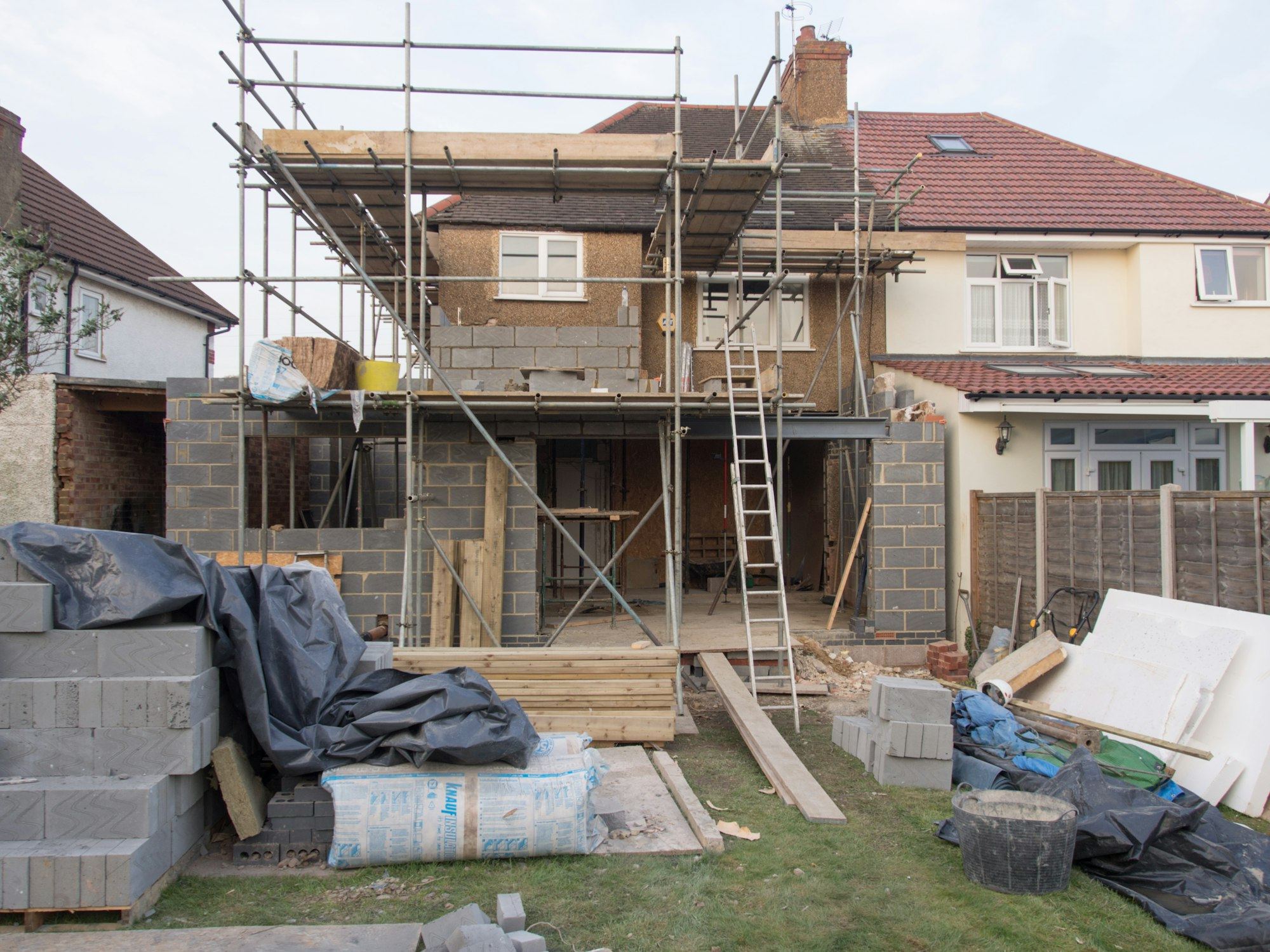
Things people ask when they first spot a crack
These are the ordinary worries. You notice something wrong and want to know whether it matters, how fast it will get worse, and who should look at it. None of these questions are too small.
-
Is my house going to fall down?
Most cracks from ground movement develop slowly over years. Sudden collapse is rare, but the damage does need assessment.
-
Will my insurance cover this?
Buildings policies usually cover subsidence. A specialist report helps the insurer decide whether a claim is valid.
-
Does the clay here make it worse?
Weald clay shrinks in dry summers and swells in wet winters. That cycle stresses shallow foundations repeatedly.
-
Should I wait and see if it stops?
Monitoring a crack for a few months tells a specialist whether movement is active or historical. Do not ignore it entirely.
-
Can I still sell my home?
You must declare known structural issues. Buyers can proceed once a clear report and any necessary repairs are in place.
How specialists deal with movement in Maidstone
Different causes need different fixes. A specialist assesses the soil, the building and the damage before recommending one approach. Here are the methods used across Kent.
-

Subsidence Help
A specialist inspects the home, monitors cracks over time and identifies the cause before proposing any repair work.
-
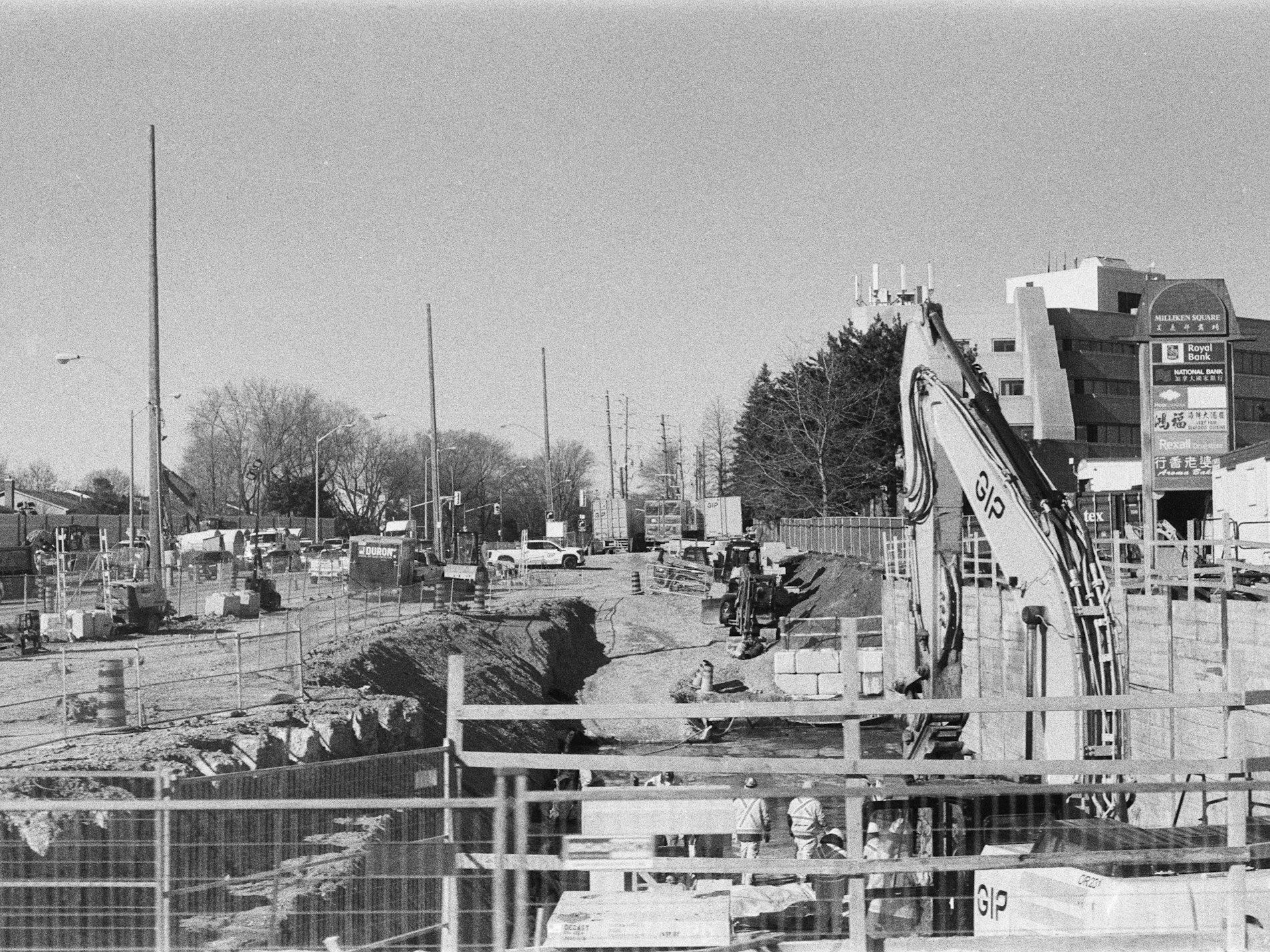
Underpinning
Where foundations sit too shallow for the soil, a specialist excavates sections and pours deeper concrete bases to stabilise the wall above.
-
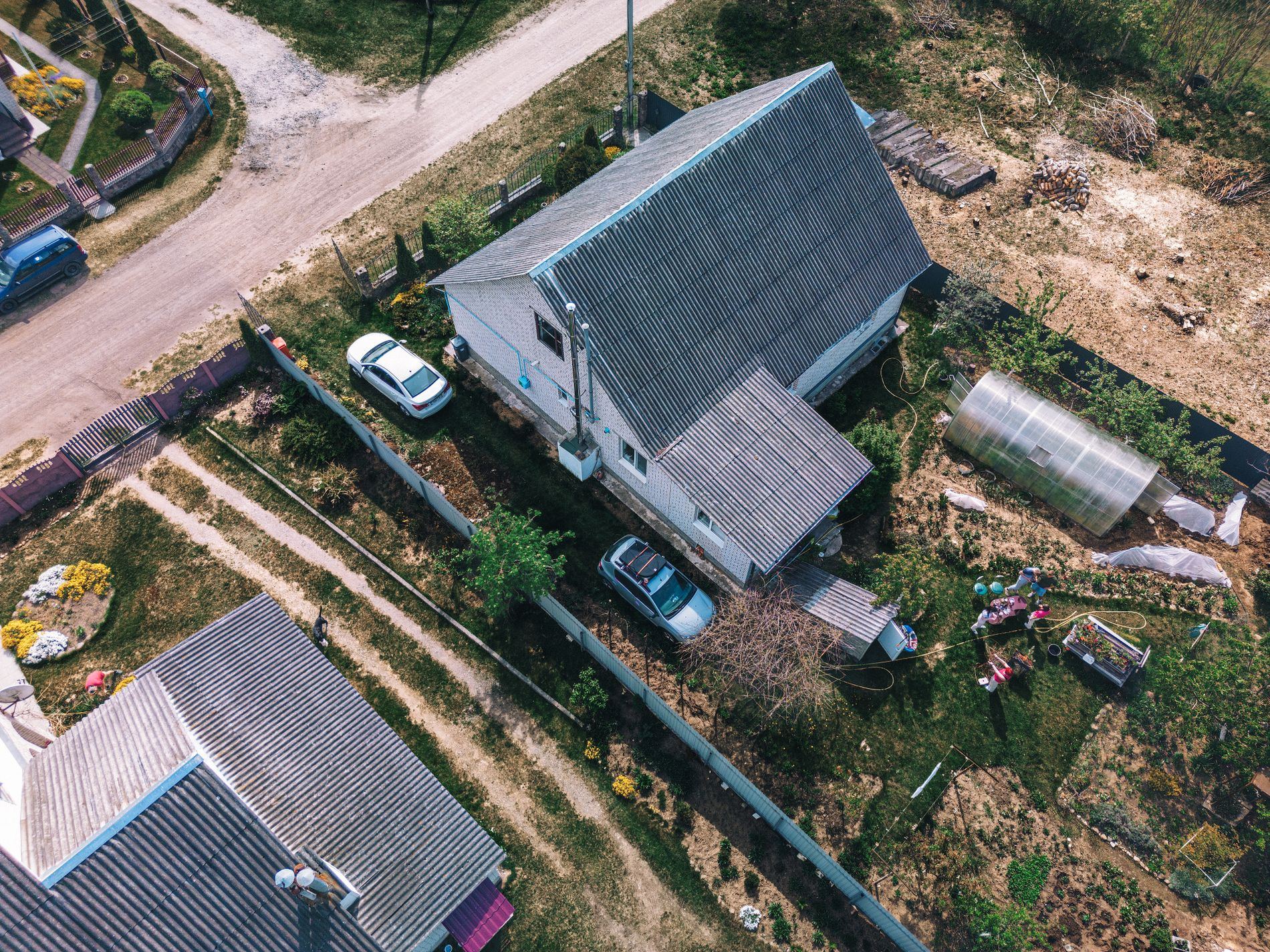
Resin Injection
A specialist pumps expanding resin into loose or washed-out ground beneath a slab, filling voids and lifting settled concrete back toward level.
-

Concrete Cracking
A specialist assesses cracked floors, drives and slabs to determine whether the concrete can be repaired or needs replacement after ground movement.
-

Screw Piling
For bay windows, porches or extensions built on soft alluvium, a specialist drives steel screw piles down to firm strata to halt further settlement.
Towns covered across Kent
Specialists working in Maidstone also cover the rest of the county. The same knowledge of Kent geology applies whether the ground is chalk, greensand or river clay.
- Maidstone
- Margate
If your town is missing, send an enquiry anyway. Coverage extends throughout Kent.
Describe what you have noticed
Write down where the cracks are and how long they have been there. The details go to a specialist covering Maidstone. Sending this does not commit you to any work or payment.
- No obligation
- No payment required
- Local specialist response