
Screw piling in Kent
Supporting a moving extension without digging up your garden
Describe what you have noticed and where it is. A specialist firm will read the details and tell you if screw piles suit your home, with no cost or obligation to proceed.
Ways a settling home can be stabilised
Each method suits different ground conditions and building types. A specialist firm decides which approach fits after examining the soil, the foundations and the structure above them.
-

Subsidence help
A specialist examines the movement, identifies why the ground has shifted and sets out a plan to stop further damage to the home.
-
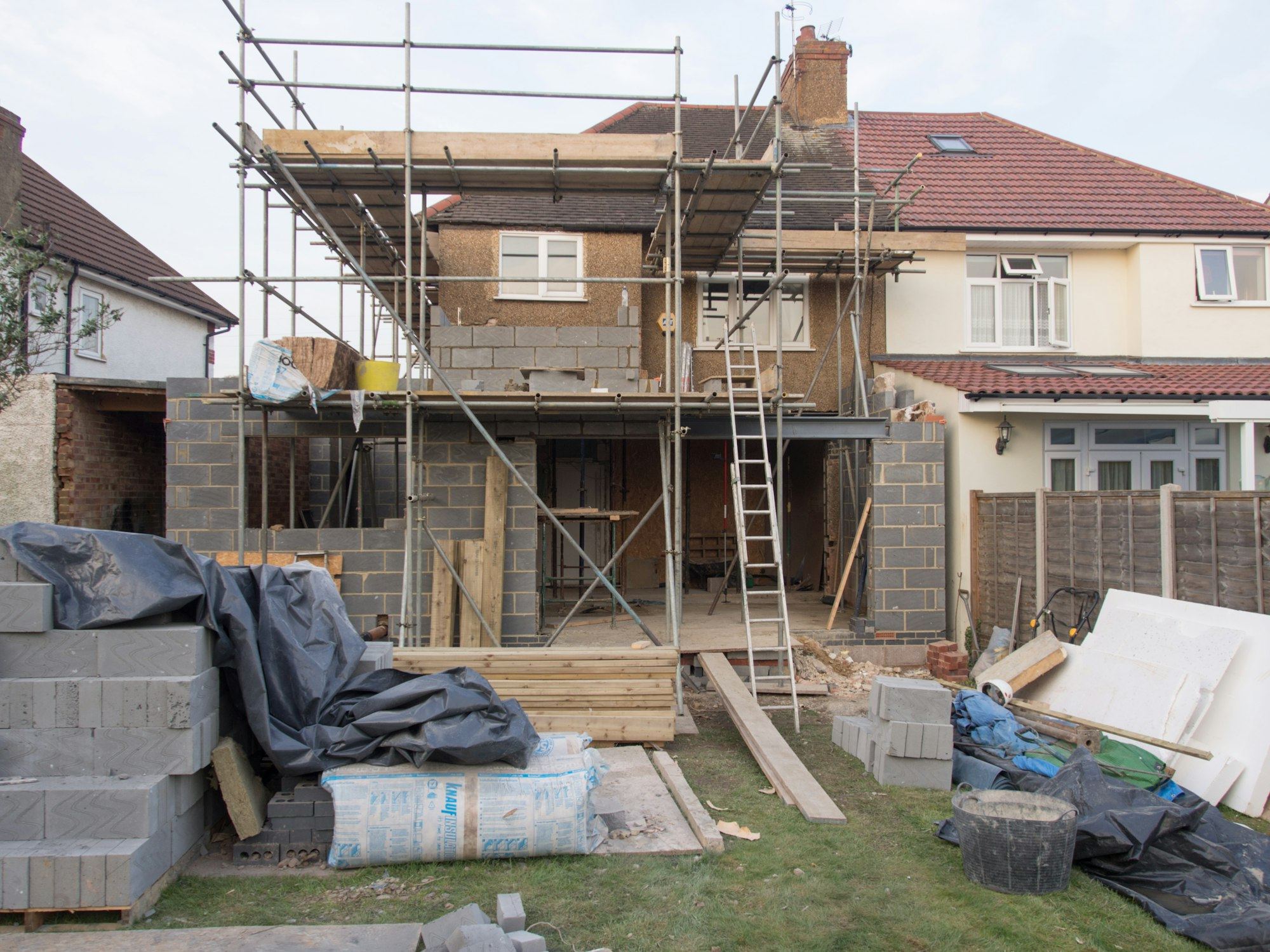
Underpinning
A contractor excavates below the existing foundation and pours new concrete in stages to deepen the support where the ground has failed.
-

Resin injection
A technician pumps expanding resin into weak or washed-out soil beneath a slab, filling voids and compacting loose material from the surface.
-
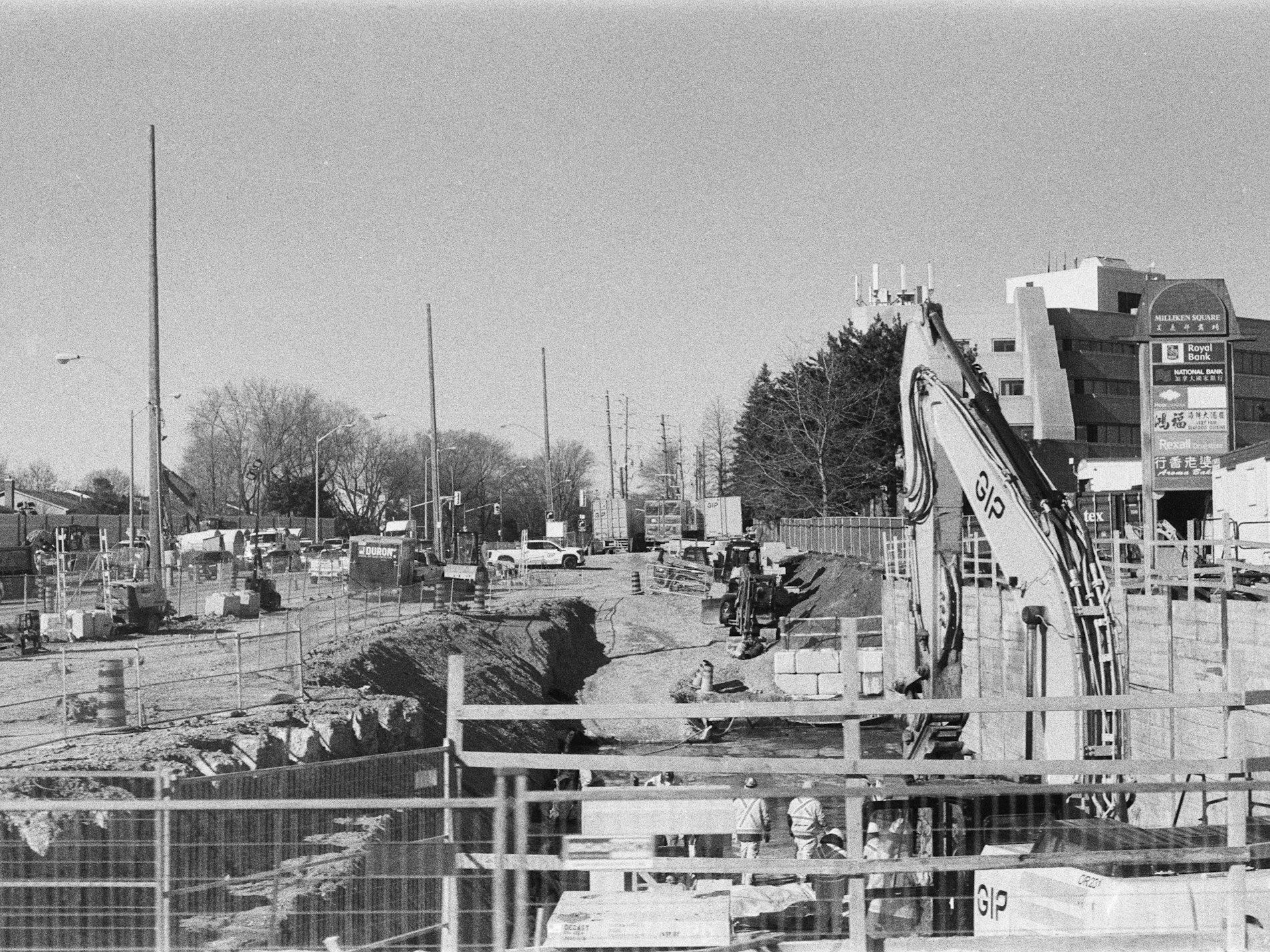
Concrete cracking
A specialist assesses cracked slabs, drives and floors, determines whether the concrete itself has failed or the ground beneath has moved.
-
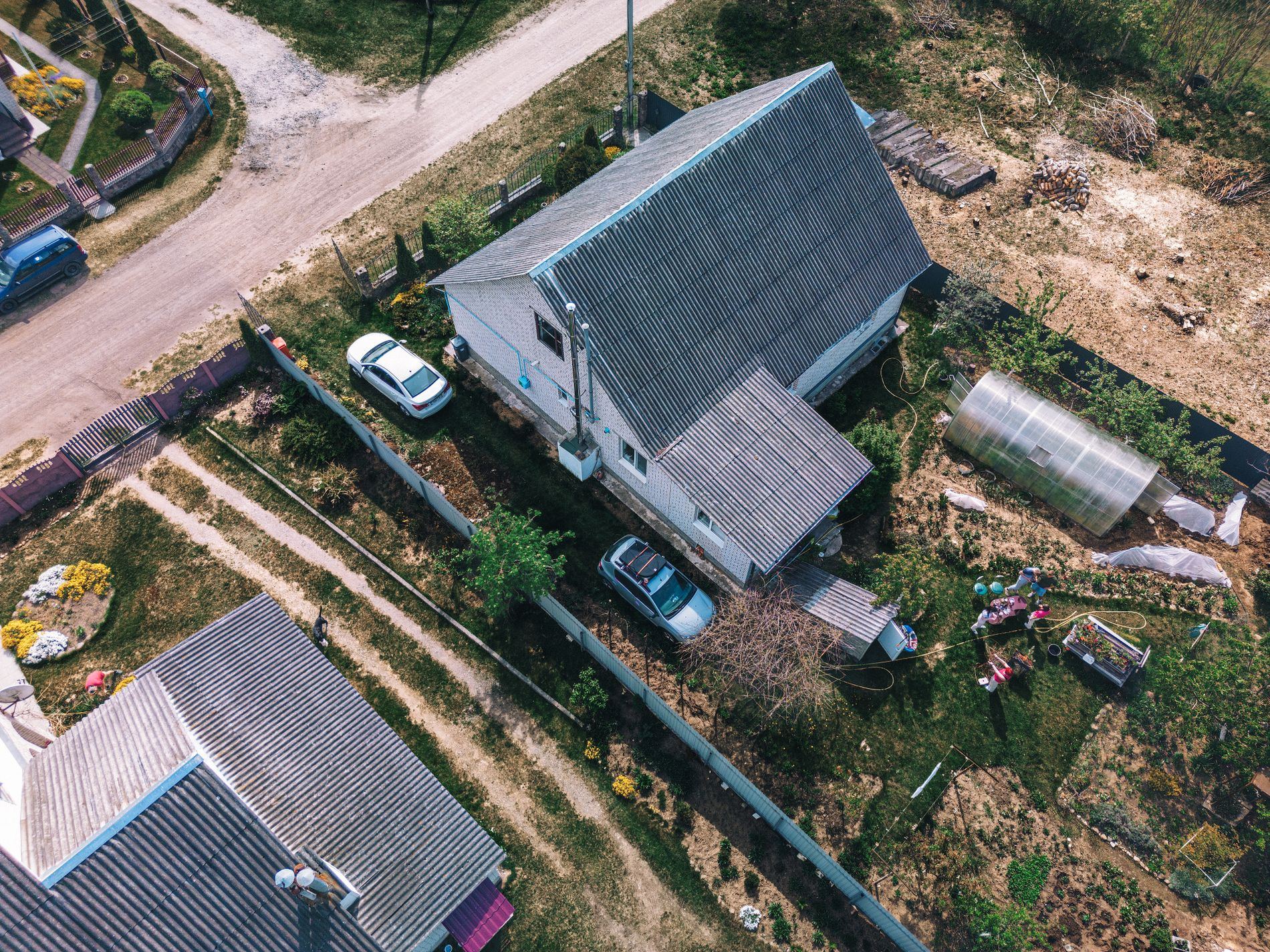
Screw piling
A crew drives steel helical piles through unstable topsoil into load-bearing strata using small plant that fits narrow side passages and back gardens.
My conservatory is pulling away from the house
Single-storey additions sit on shallower foundations than the main house. When the ground dries, softens or washes out, the lighter structure moves first. The joint between old and new brickwork takes the strain and opens up.
- 1
A gap at the roofline
The flashing tears or separates where the extension roof meets the main wall. This often means the addition has dropped relative to the older structure.

- 2
Diagonal cracks at the junction
Stepped cracks running up the corner where the two buildings join suggest differential movement. They widen over months rather than appearing overnight.

- 3
Doors catching on frames
A door that used to swing freely now scrapes the top or sticks at the latch side. The frame has distorted because the floor beneath it has shifted.

- 4
Floors sloping toward the garden
A ball rolls across the room without being pushed. The floor slab has tilted as the outer edge loses support in softening soil.

How screw piles are set beside a home
Most of the work falls to the specialist contractor. You only need to provide access to the site and clear any stored items from the immediate area around the extension.
-
Before work starts
Reading the soil report
The contractor reviews trial pit data and borehole logs to pick the right pile diameter and helix size for the ground conditions found under the home.
-
On the day
Positioning the rig
A mini tracked rig, narrow enough for a standard side passage, is driven into place. No large excavation or heavy lorry access is needed in the garden.
-
During installation
Monitoring torque readings
As the pile turns into the ground, hydraulic pressure gauges show the resistance. These readings tell the operator when the helix has reached competent bearing strata.
-
After each pile
Capping and connecting
A bracket or plate is welded to the pile head and bolted to the existing foundation, transferring the load of the extension down to the stable layer.
-
Within a week
Checking alignment
The contractor returns to confirm the structure has stopped moving and that the brackets hold the design load before reinstating any disturbed paving or turf.
What this site does and does not do
This site collects enquiries from homeowners in Kent and passes them to separate specialist firms. Those firms operate independently, carry their own insurance and contract directly with you for any work on your home.
- Enquiries are taken here; all physical work is done by independent contractors
- No fee is charged for submitting details about your home
- Specialist firms quote and contract with you directly, not through this site
- Ground conditions vary across Kent so not every method suits every address
Questions about screw piling at home
Will the machinery fit down my side passage?
Mini piling rigs are built for restricted access. Most measure under a metre wide, so they pass through standard side gates and narrow alleys common in Kent terraces and semi-detached homes.
How does the installer know the pile is deep enough?
Torque correlates with soil capacity. When the hydraulic pressure reaches a calculated figure, the helix has engaged ground strong enough to carry the design load. The operator records every reading.
Can screw piles fix a bay window that has dropped?
They can support a bay if there is space to position the rig and the soil profile allows it. A structural assessment must confirm the existing masonry can transfer load to the new brackets.
Are screw piles suitable on chalk?
Chalk varies enormously. Firm chalk accepts helices well, but shattered or dissolved chalk may require a different approach. Boreholes reveal which type sits beneath the home before any decision is made.
When would a specialist rule out screw piling?
If obstructions like old concrete footings block the helix, or if the soil is too soft to generate adequate torque at reachable depth, the contractor will recommend another method such as resin injection or traditional underpinning.
Does the work make a lot of noise?
Installation uses hydraulic rotation rather than impact driving. The rig produces engine noise comparable to a small digger, but there is no hammering or vibration transmitted through neighbouring walls.
Tell us what is happening at your home
Write down where the movement is and what you have seen. The details go to a specialist firm working in your part of Kent. Sending them costs nothing and commits you to no work.
- No charge to enquire
- No obligation to proceed
- Local firms only