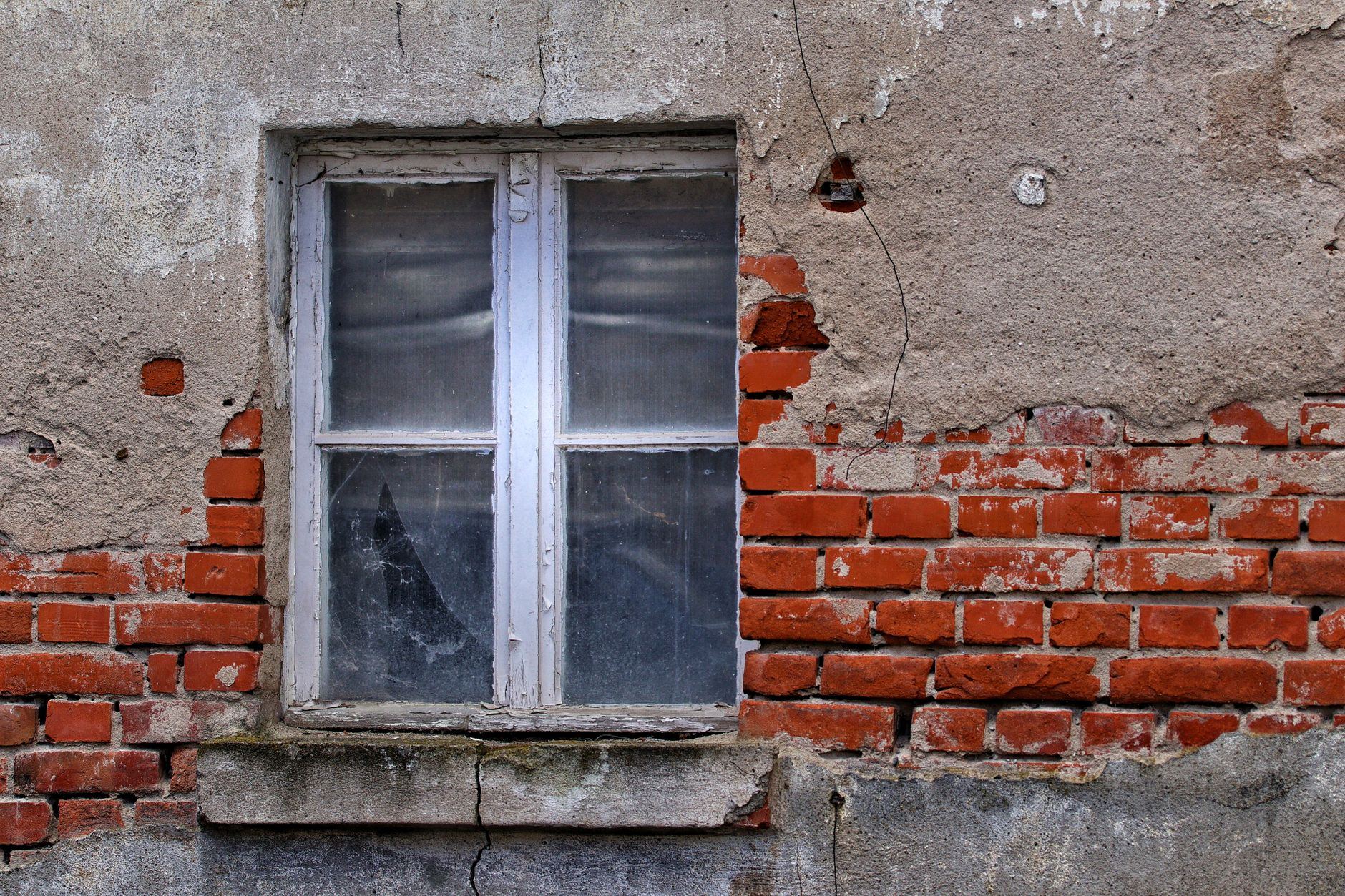
Weald clay, early summer
Weald clay in early summer: what moves and why
Send details of what you have noticed at your home. A specialist firm will read them and tell you whether the movement needs a survey. There is no charge for this first step.
What happens to Weald clay when the weather warms
Weald clay sits beneath much of west and south Kent. It holds water through winter like a sponge, swelling as it absorbs rain. By late spring the pattern changes. Days grow longer, temperatures rise, and the soil begins to lose moisture faster than rain replaces it.
Clay does not dry evenly. The surface loses water first, so shrinkage starts at the top and works down. Beneath a garden the change can be several centimetres over a few weeks. Beneath a house, where the ground stays cooler and shaded, the loss is slower but still measurable.
This seasonal drying is normal. Every year the clay contracts, and every winter it swells again. Problems start when something draws water out faster than the usual cycle, or when a building cannot tolerate the small movements that follow.
Trees draw more water as their leaves fill out
By June most deciduous trees around Kent homes are in full leaf. A mature oak or ash can pull hundreds of litres of water from the soil each day. Roots spread well beyond the canopy, often reaching under foundations two or three metres away from the trunk.
On Weald clay this extraction matters because the soil responds quickly. As roots take moisture, the clay particles move closer together. The ground drops. If one side of a house sits above a dense root network and the other does not, the footing on the drier side sinks lower.
Species matter. Thirsty trees such as poplar, willow and lime cause sharper drops than smaller ornamentals. A hedge planted along a boundary can act the same way if it grows tall enough. Removing a tree suddenly can also shift the balance, since the clay then reabsorbs water it used to lose to roots.
Which parts of a house show the strain first
Movement rarely affects a whole building at once. The lightest, shallowest sections go first. A bay window built on its own small footing often drops before the main wall behind it. Conservatories with slab bases are another common starting point, because they sit on less ground than the rest of the house.
Inside, doors begin to stick. Frames that were square in March warp slightly by late June as the walls around them shift. Plaster cracks at the corners of windows or where an internal partition meets an outside wall. These lines tend to run diagonally, following the mortar joints in the brickwork.
Outside, look at the lowest course of bricks. A gap opening between the wall and a patio slab suggests the footing has moved while the path stayed put. Step cracks zigzagging up a wall are harder to miss once they widen past a millimetre or two.
When seasonal cracking becomes something to watch
A hairline crack that opens in June and closes again by November is usually just the clay doing what it always does. Paint fills it, plaster flexes, and the house settles back. But if the crack stays wider than it was last winter, or a new one appears alongside it, the movement may be accumulating rather than reversing.
Width gives a rough guide. Cracks under two millimetres are generally cosmetic. Between two and five millimetres they start to affect finishes and door swings. Beyond fifteen millimetres the structural fabric is involved, and a specialist should look at the footing.
The direction matters too. A crack that tapers, wide at the top and tight at the bottom, points to one end of the wall dropping. That shape is typical of clay shrinkage near a tree. Uniform width suggests something else entirely, perhaps a drainage leak washing soil away.
What a specialist does when called to a clay site
A structural movement survey on Weald clay usually starts with the ground, not the wall. The specialist checks which trees stand within rooting distance, measures how far the canopy reaches, and notes the species. Soil samples confirm the clay type and its current moisture content compared with what is normal for the season.
Drainage runs come next. A leaking pipe under the footing softens clay just as surely as drought shrinks it. A CCTV camera sent through the drains shows whether joints have split or roots have pushed in.
If monitoring is needed, small studs are fixed across the crack so readings can be taken over several months. The data shows whether the movement is still active or has stopped. Only after that picture is clear does anyone discuss resin injection, underpinning or screw piling. Acting before the cause is known risks treating a symptom while the real problem continues underneath.
Tell us what you have noticed in your home
Leave a description of the crack or movement. A specialist firm will review it and advise whether a survey is needed. Sending an enquiry costs nothing and carries no obligation to accept work.
- No fee to ask
- No commitment to proceed
- Specialist advice only