Trees and clay
Pruning or felling a tree near the house: what to ask
Send details of your home and the tree you are thinking about removing. A specialist firm will read them and tell you whether the ground might react, with no charge for that first look.
Why removing a large tree changes the ground beneath a house
A mature tree standing on clay drinks a great deal of water every day. Its roots pull moisture from the soil around and below the footings of a house. That steady extraction keeps the clay firm and relatively dry.
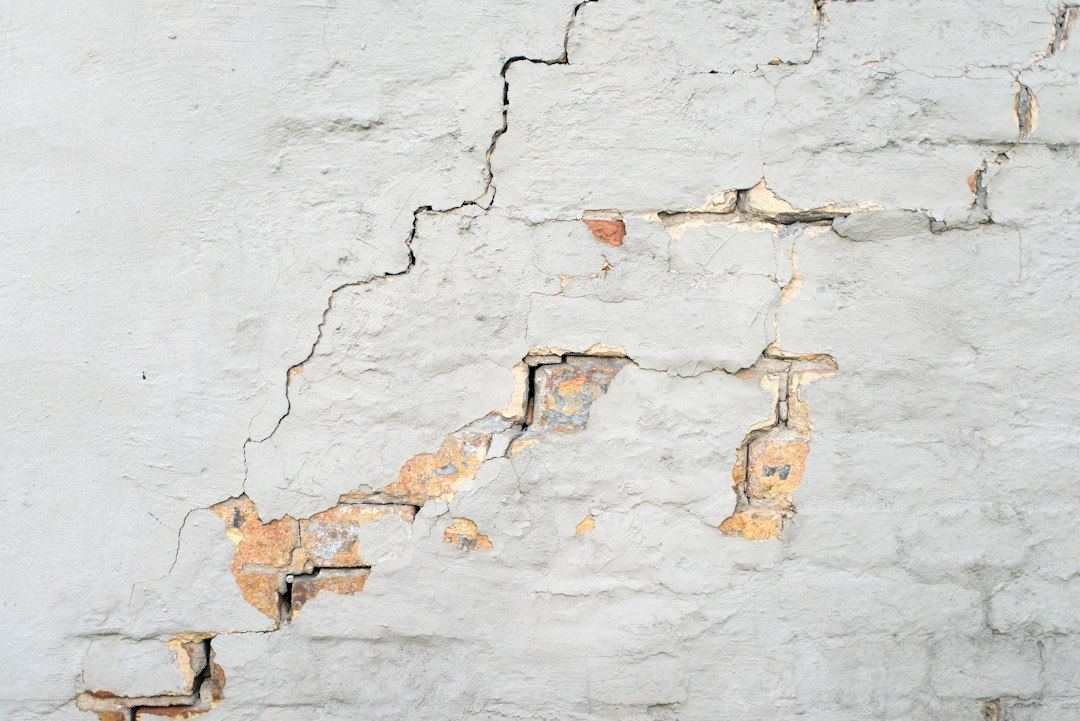
When the tree is felled, the roots stop taking up water. Rain continues to fall, but nothing draws it away. The clay absorbs the surplus and swells. That swelling pushes upward against the underside of the foundations. Walls crack as the masonry is forced out of its settled shape. Floors lift. Door frames twist until the doors jam shut.
This process is called heave. It is the opposite of subsidence, where the ground shrinks and drops away. Both cause damage, but they need different remedies. Knowing which one is happening matters before any repair is planned.
The risk is highest when the tree was large, close to the house, and growing on shrinkable clay such as Weald Clay or Gault Clay. Those soils change volume dramatically as their moisture content shifts. Homes built on chalk or sand behave differently.
Which trees draw the most water from clay soil
Not every tree threatens a house equally. Species matter because root systems vary in depth and spread. Lime, poplar and willow are known for pulling large volumes of moisture from the ground. Oak and ash follow closely behind. These trees can extend roots well beyond the edge of their canopy, reaching toward the damp soil under a building.
Smaller ornamental trees and fruit bushes take far less water. A silver birch planted three metres from a wall may cause no trouble at all, while an oak at the same distance could be drawing hundreds of litres a week during summer.
The age of the tree also counts. A sapling planted last year has not yet established the root network needed to affect the clay. A sixty-year-old specimen has roots that run deep and wide. Removing the older tree causes a much larger shift in soil moisture than removing the younger one.
Soil type decides how far those roots matter. On clay, the effect is pronounced. On gravel or solid rock, the ground does not swell when the roots stop drinking.
Questions to ask before any pruning or felling begins
Before instructing a tree surgeon, find out what lies beneath the garden. A structural movement survey carried out by a specialist firm will identify the soil type, measure existing cracks, and record the current position of the walls. That baseline reading becomes essential if movement starts after the tree comes down.
Ask how far the main roots extend. A specialist can estimate the root spread based on the species and trunk diameter. Compare that figure to the distance between the tree and the nearest wall of the house. If the roots already reach the footings, removal will almost certainly change the moisture balance.
Find out whether other trees nearby share the same root zone. Felling one oak might leave two others still extracting water, reducing the overall impact. Taking all of them down at once creates a sudden surplus of moisture the clay will absorb rapidly.
Ask whether crown reduction could lower water uptake without killing the tree. Heavy pruning reduces the leaf area available for transpiration. The roots stay alive but drink less. This middle path sometimes avoids the shock of complete removal.
Monitoring the house after the work is done
Once the tree is gone, the ground does not react overnight. Clay takes months, sometimes years, to reabsorb the water the roots used to extract. Heave is slow and seasonal. It accelerates through wet winters and pauses during dry summers.
Crack monitoring gives a clear picture of whether the walls are moving. A specialist fixes small studs or gauges across any existing fractures and records their width at regular intervals. If the readings widen steadily, the clay is swelling. If they stay flat, the ground has found a new equilibrium.
Photographs taken at the same time each month help too. Stand in the same spot, use the same angle, and note the date. Small changes invisible to the eye become obvious when images are compared side by side.
Doors that begin to stick, windows that jam, or skirting boards that separate from the floor are early signs. Report them rather than forcing the wood. Forcing a swollen frame hides the evidence a specialist needs to read.
When a drainage fault mimics the effect of a removed tree
Swelling clay is not the only reason walls move after tree work. Sometimes the machinery used to fell or stump-grind a tree damages underground drains. A fractured pipe leaks water directly into the soil beside the footings. The clay softens, and the foundation settles unevenly.
That kind of movement looks like subsidence, not heave. The symptoms overlap enough to confuse anyone without instruments. A drainage CCTV survey lets a specialist push a camera along the pipes and check for breaks, blockages or displaced joints caused by root growth or mechanical impact.
If the leak is found early, repairing the drain may stop further movement before the walls suffer serious harm. Leaving a cracked pipe running into clay guarantees trouble regardless of whether the tree above it still stands.
So before assuming the ground is heaving because the tree was removed, rule out the simpler explanation. Water escaping from a broken drain does exactly the same damage, and fixing it costs far less than stabilising a house that has shifted.
Tell us about the tree and your home
Send the details and a specialist firm will assess whether removing the tree risks movement in your walls. There is no fee for this first review and no obligation to proceed with any work.
- No charge to enquire
- No obligation to proceed
- Specialist firms do the work