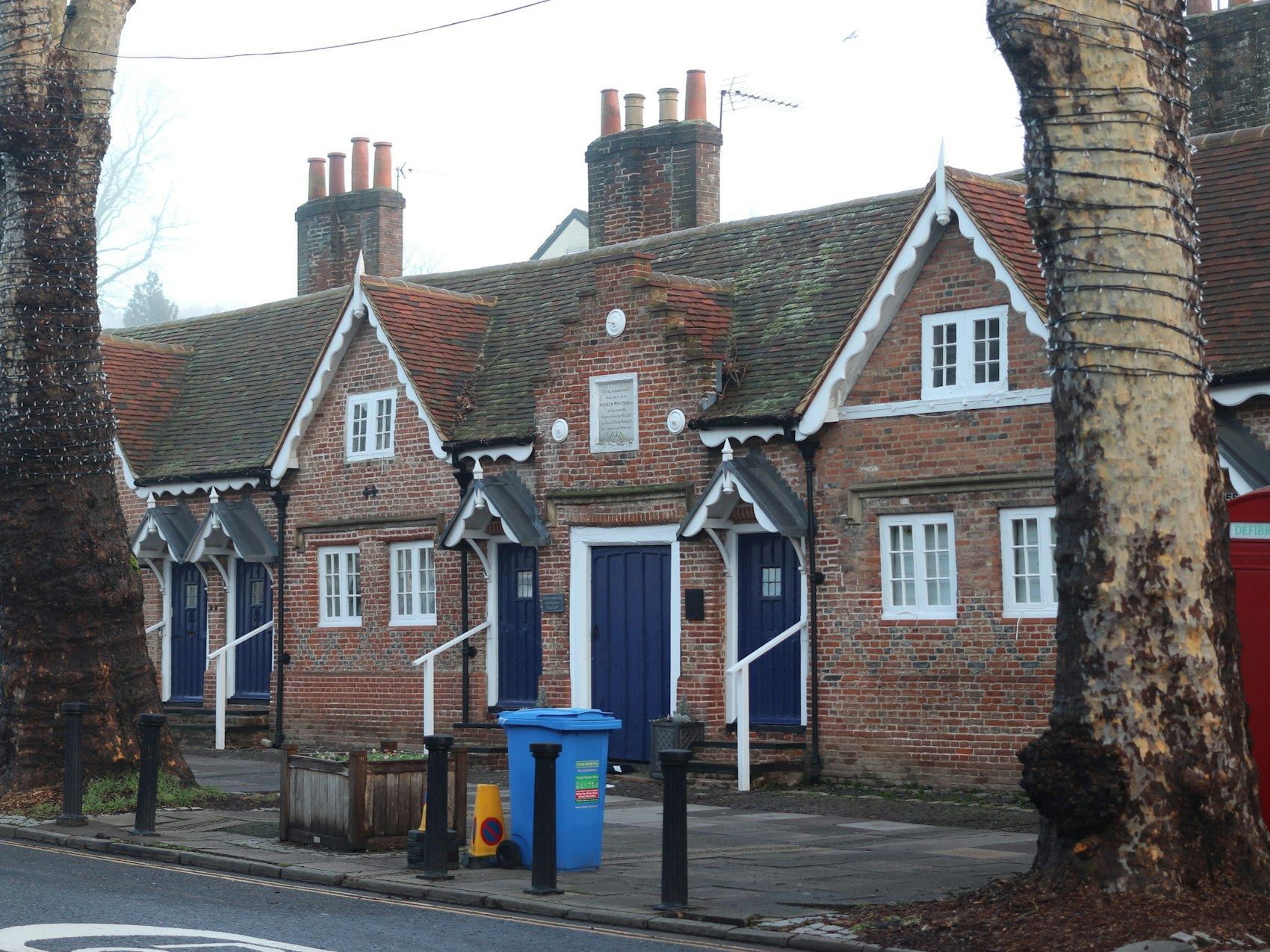
Kent coast
Holiday lets on the Kent coast: checking for movement
Send details of cracks or sticking doors at your holiday let. A specialist firm will review what you describe and advise whether the ground needs attention, with no obligation to book any work.
Why coastal ground behaves differently in summer
Cliff edges and shingle banks along the Kent coast sit on ground that reacts to weather faster than soil further inland. Chalk loses moisture quickly in warm spells, while sand and shingle shift as tides and wind move material around the base of a building.
A holiday let near the sea takes more punishment than a house set back from it. Salt air corrodes metal fixings. Driving rain finds gaps in pointing. The ground underneath dries out unevenly because one side of the building faces the sun and the other stays in shade from a neighbouring wall.
By mid July, many coastal plots have already lost a measurable amount of moisture from the top layer of soil. If the footings are shallow, the walls above start to move. That movement shows up first as hairline cracks in plaster, then as doors that catch on their frames.
Understanding the type of ground matters. Chalk ground in summer behaves unlike clay, so the signs differ. Reading those signs correctly stops an owner from paying for the wrong repair.
What to look for between guest bookings
The best time to check a holiday let is the morning after guests leave, before cleaners arrive and move furniture around. Walk the outside first. Look at the line where the wall meets the path or patio. A gap opening there means the wall has moved away from the ground slab.
Inside, open and close every door. A door that sticks at the top corner usually means the frame has dropped on the hinge side. Windows that jam in the same way point to the same cause. Check the skirting boards where they meet the floor. If daylight shows through, the floor has pulled down.
Cracks around window corners deserve attention. A thin crack running diagonally from the top corner of a window often follows the mortar joints in brickwork. Photograph it with a coin next to it for scale. Taking photographs of cracks so changes can be compared gives a specialist something concrete to assess.
Guests rarely report these things. They assume a sticking door is part of the charm of an old seaside cottage. By the time a crack is wide enough for someone to mention in a review, the movement has been happening for months.
When a crack needs a specialist survey
Not every crack means the building is sinking. Plaster shrinks as it dries, and older houses settle into new positions after heavy rain. But some patterns demand closer attention.
A crack wider than two millimetres that runs through both the plaster and the brick behind it suggests the wall itself is moving. If the crack is wider at the top than the bottom, the wall may be rotating outward. Understanding how wide a serious crack is helps separate cosmetic damage from structural problems.
At that point, a structural movement survey makes sense. A specialist firm will measure the lean of the walls, record the width of every crack, and check the drainage around the footings. Leaking drains wash soil away from shallow foundations, and this is common in older coastal towns where pipes date back decades.
If the ground needs strengthening, the options depend on access. Narrow alleyways between terraced cottages rule out large machinery. Resin injection works where space is tight, driving material under the footing to fill voids. Screw piling reaches firmer ground below loose surface layers without heavy excavation.
Keeping records across the letting season
A holiday let changes hands every few days in peak season. That turnover hides slow movement because nobody lives there long enough to notice a door getting harder to shut. The owner has to be the one who tracks it.
Keep a notebook or a folder on your phone. Record the date you checked each room, which doors stuck, and where you saw new cracks. Compare your notes every fortnight. If a crack has lengthened since the last visit, the movement is active.
Active movement in summer often slows when autumn rain returns and the ground swells again. But waiting for rain does not fix a broken drain or a failing wall tie. Crack monitoring over several weeks tells a specialist whether the building is still moving or has settled into a new position.
Owners preparing to sell a holiday let should gather these records early. A home buyer subsidence report relies on history. Gaps in the timeline make lenders nervous, and a mortgage offer can fall through if the paperwork is incomplete.
Tell us what you have noticed at your let
Send a short description of the cracks or sticking doors. A specialist firm will read it and advise whether a site visit is needed. There is no fee for sending this in.
- No cost to enquire
- No obligation to proceed
- Advice from specialists