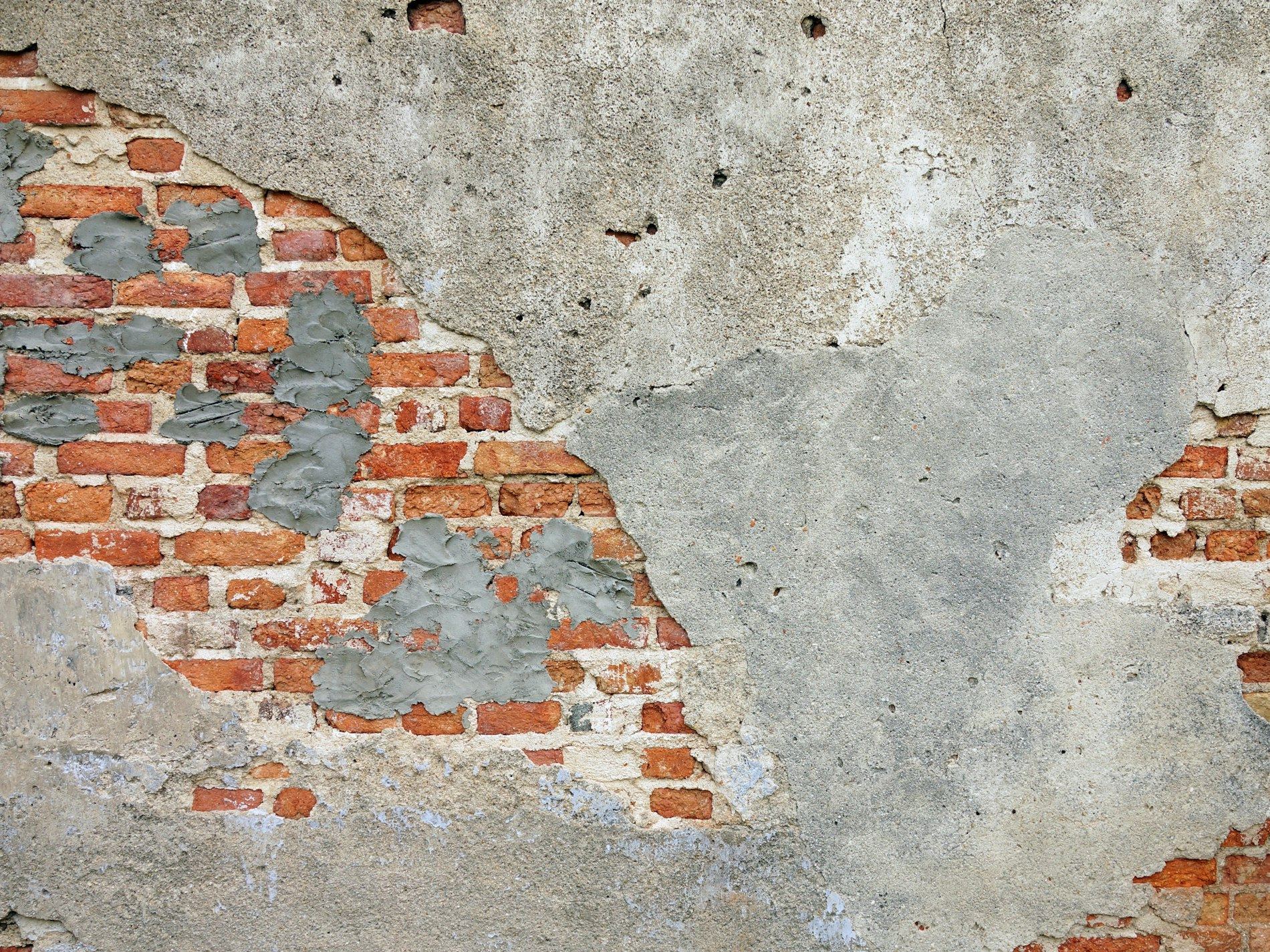
New plaster cracks
Hairline cracks in new plaster: drying out or movement?
Send details of the crack you have noticed. A specialist firm will read what you describe and tell you whether it needs attention, at no cost and with no obligation to book anything.
Hairline cracks in new plaster: drying out or movement? in Kent
Why fresh plaster cracks as it loses water
Plaster is mixed with water to make it workable. As that water leaves the surface, the material shrinks. This shrinkage pulls the plaster tight against itself, and when the tension exceeds what the thin layer can hold, a hairline crack opens.
These cracks tend to be very fine. They run in random directions rather than following a straight path from floor to ceiling. You often see them first near corners, around light switches, or where two walls meet at an angle. They appear within days or weeks of the plasterer finishing the job, especially if the room was heated quickly or left without ventilation.
Drying shrinkage is normal. It happens in almost every home where new plaster has been applied, whether over fresh brickwork or on top of old surfaces that have been skimmed. The cracks are shallow. They sit entirely within the plaster coat and do not continue into the masonry behind it. A decorator expects to fill them before painting.
How drying shrinkage differs from structural movement
Movement in the ground beneath a house produces a different pattern. When foundations shift, the wall moves with them. That force travels through the bricks or blocks and into the plaster bonded to them. The resulting crack usually runs diagonally, often stepping along mortar joints in brickwork. It tends to be wider at one end than the other.
A drying crack stays on the surface. Tap either side of it and the wall sounds solid. With a movement crack, you might feel a slight ridge where one section of wall has pushed forward relative to the other. Doors nearby may begin to stick, or windows might resist closing. Those signs point to something happening below the plaster.
Ground movement in Kent frequently follows seasonal changes in moisture. Clay soils under towns like Sevenoaks or Tonbridge swell when wet and shrink when dry. That cycle stresses foundations. Plaster drying out does not involve the ground at all.
When a crack in new plaster deserves a closer look
Most hairline cracks need nothing more than filler. But some situations call for attention beyond decorating. If a crack appears in fresh plaster and continues to widen after several weeks, the cause might not be shrinkage alone. A crack that reopens every time it is filled suggests ongoing movement behind the surface.
Pay attention to location. Cracks clustered around a window frame or running down from a lintel could indicate that the support above has shifted. Cracks appearing on both sides of a wall, visible inside and out, mean the masonry itself has fractured. Fresh plaster simply reveals what the wall underneath is doing.
If your home sits on clay, near old chalk workings, or on land that was once marsh, the ground conditions add risk. In those cases, a hairline crack might be the first visible sign of subsidence. Specialist firms carry out structural movement surveys to determine whether the foundations are stable or still shifting.
What happens next if you are unsure
Taking a clear photograph helps. Hold a coin or ruler beside the crack so its width can be judged later. Note the date you first saw it and whether doors or windows in the same room have changed how they close.
Specialist firms use crack monitoring to track whether a fracture is active or static. Small gauges fixed across the crack record tiny changes over weeks and months. If the readings show movement, further investigation follows. A drainage CCTV survey checks for leaking pipes that might be washing soil away from the footings.
Where ground movement is confirmed, repair methods depend on the scale of the problem. Resin injection stabilises loose soil beneath shallow foundations. Screw piling drives steel supports down to firmer strata. Underpinning replaces or strengthens the existing footing. Each method is chosen by the specialist firm after assessing the specific conditions at the home.
Tell us what you have noticed
Write down where the crack is and roughly how wide it looks. A specialist firm receives the details and advises whether a visit is needed. There is no charge for this and no commitment to proceed.
- No fee for advice
- No obligation to proceed
- Local specialists respond