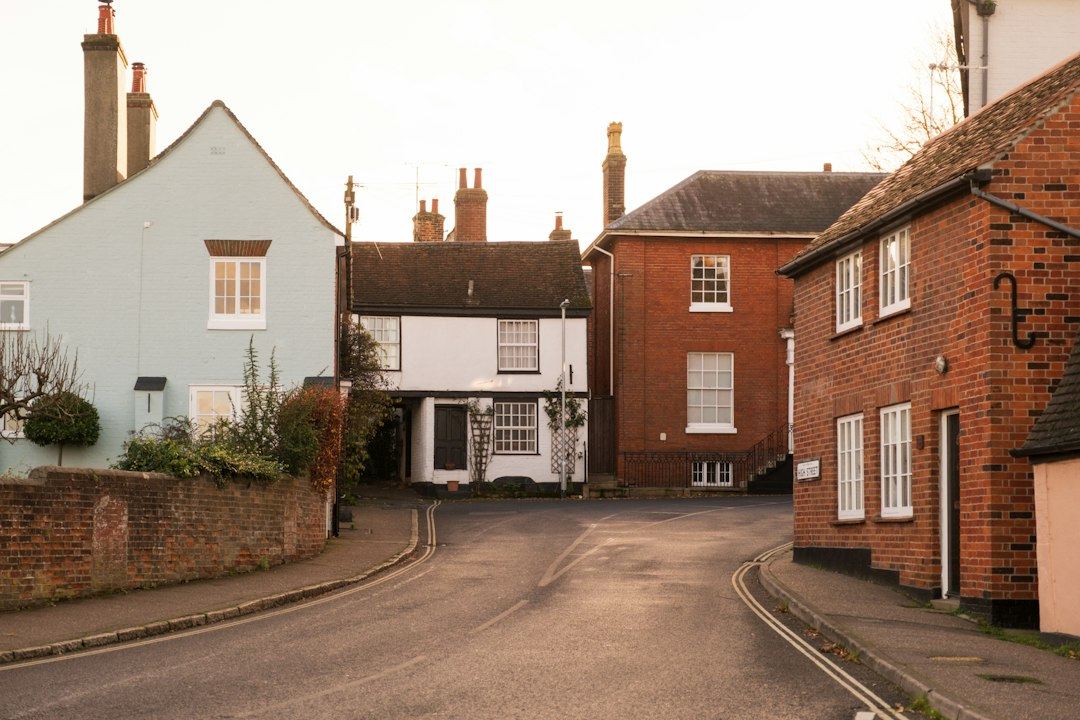
Autumn movement
Autumn rain and cracks that start to close
Send details of the crack you have noticed. A specialist firm can assess whether the narrowing is seasonal or something more serious, and an initial enquiry costs nothing.
Why autumn rain changes the cracks in your walls
What the summer left behind
Through the warmer months, clay soil under a home loses moisture. It shrinks, and the ground drops away from the footings. That downward pull opens cracks in brickwork and plaster, usually wider at the top than the bottom.
By late August, those gaps are often at their widest for the year. Doors stick in their frames. Skirting boards separate from the floor. The house has moved, even if the shift is only a few millimetres.
Then September brings heavier rain. Water soaks back into the dry clay, and the soil begins to swell. The ground pushes up against the foundations again. For many homes built on Weald Clay or Gault Clay across Kent, this cycle repeats every year.
Why a closing crack still needs attention
A crack that narrows when the weather turns wet might look like good news. The wall is moving back towards its original position, and the gap is filling in. But seasonal closure does not mean the problem has gone away.
Each time the clay dries out and swells again, the movement can take the masonry slightly further than before. Over several years, a hairline fracture becomes a gap wide enough to see daylight through. Mortar crumbles. Bricks loosen.
A specialist structural surveyor looks at the pattern of the cracks, not just their current width. They check whether the movement is purely seasonal or whether something else is pulling the ground down. A leaking drain, for example, washes fine soil away regardless of the rainfall. Finding out what sits beneath the footings matters more than measuring the gap on any single day.
Monitoring the change through the seasons
A single measurement tells very little. What matters is how the crack behaves over months. Specialist firms install small gauges across the opening to record tiny shifts in width. Readings taken in September are compared with readings taken the following March.
If the gauge shows the crack closes fully each winter and opens by the same amount each summer, the movement is cyclical. If it opens wider each year without closing completely, the ground is losing support permanently. That distinction decides whether simple monitoring is enough or whether stabilisation work is needed.
Photographs help too. Taking clear pictures of the same crack from the same angle, with a coin or ruler for scale, creates a record that a surveyor can read later. Without evidence gathered across the seasons, judging the severity of subsidence relies on guesswork rather than data.
Rain that causes problems of its own
Autumn rain rehydrates the clay, but it also tests the drainage around a home. Gutters fill with leaves. Downpipes block. Water spills over the edges and pools against the walls.
When water sits next to the footings for weeks, it softens the soil directly under the house. That localised softening can cause a section of wall to sink while the rest stays put. So the same rain that helps one part of the garden can undermine the structure.
Checking gutters and clearing debris before the heaviest storms arrive keeps water away from the base of the walls. Where a drain runs close to the house, a specialist can send a camera underground to look for fractures or collapsed sections. A broken pipe leaking into clay accelerates movement far faster than seasonal drying alone.
Tell us about the crack you have noticed
Send a description of where the crack is and how it has changed since the rain started. A specialist firm will review the details and advise whether a site visit is warranted. There is no fee for this first step.
- No obligation
- Free to enquire
- Local specialists